



I asked some of the biggest names in effects pedals to name their favourite stomp boxes of all time. Some choices were all about the sound, some were just classics and others were the reason they got into pedal building in the first place.
Across my conversations with Mike Piera (Analog Man), Jamie Stillman (EQD), John Snyder (EAE), Brian Wampler (Wampler Pedals), Joel Korte (Chase Bliss), Brady Smith (OBNE) and Steve Bragg (Empress) on the Products of Music show, these are the pedals they chose and video links are also included with exact timestamps.
Analog Man
The choices by Mike Piera (also known as Analog Mike) were less about formative inspiration and more about pedals that just sound great and work in his own rig. Most have earned a place on his current board (space permitting).
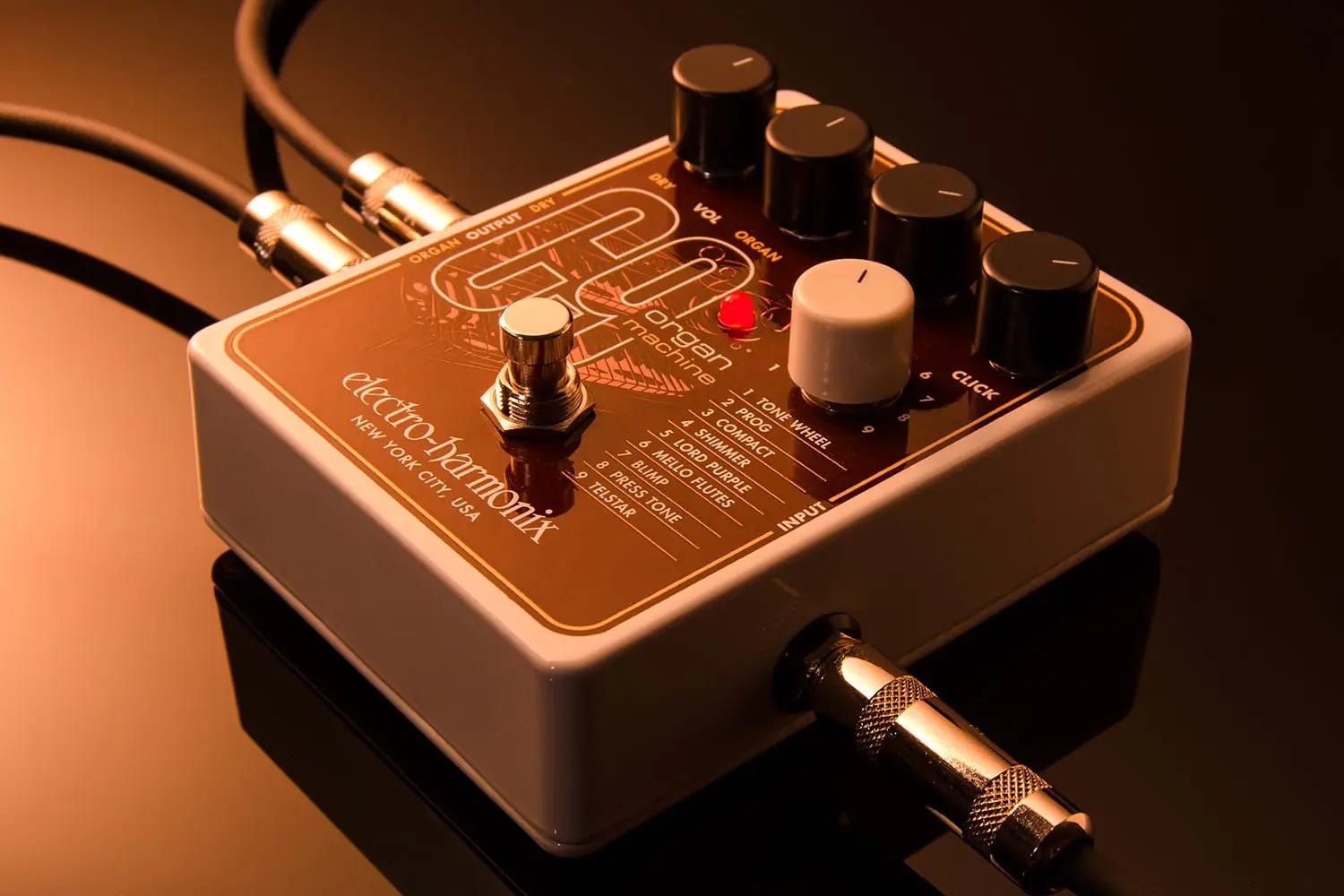
Electro-Harmonix C9 Organ Machine
The EHX C9 Organ Machine “springboards off the revolutionary B9 to mine another rich vein of classic gold and provide players with nine more definitive organ and keyboard sounds”, according to the manufacturer.
The pedal was released in 2014 and provides control over percussive click, modulation, attack/sustain, drawbar setting or high frequency content. It also allows you to blend your dry signal to create layers.
Mike loves running the C9 into his own chorus pedal and the red side of the King of Tone to create a “dirty Leslie-style sound”. To his ears, it sounds better than many of the real organs he owns.
This is a full-circle choice too. Mike began by playing a Farfisa organ through effects pedals in his younger days and used it to perform guitar-like parts.
“Now, I’m playing organ parts on the guitar, and it’s a lot of fun,” he told Products of Music.
MXR Phase 90
The MXR Phase 90 is a legendary, single-knob analogue phase shifter pedal introduced in 1974.
Mike keeps an original 1974 Phase 90 on his board and particularly enjoys using it with muted picking, a technique that Ian McDonald of King Crimson and Foreigner once told him about.
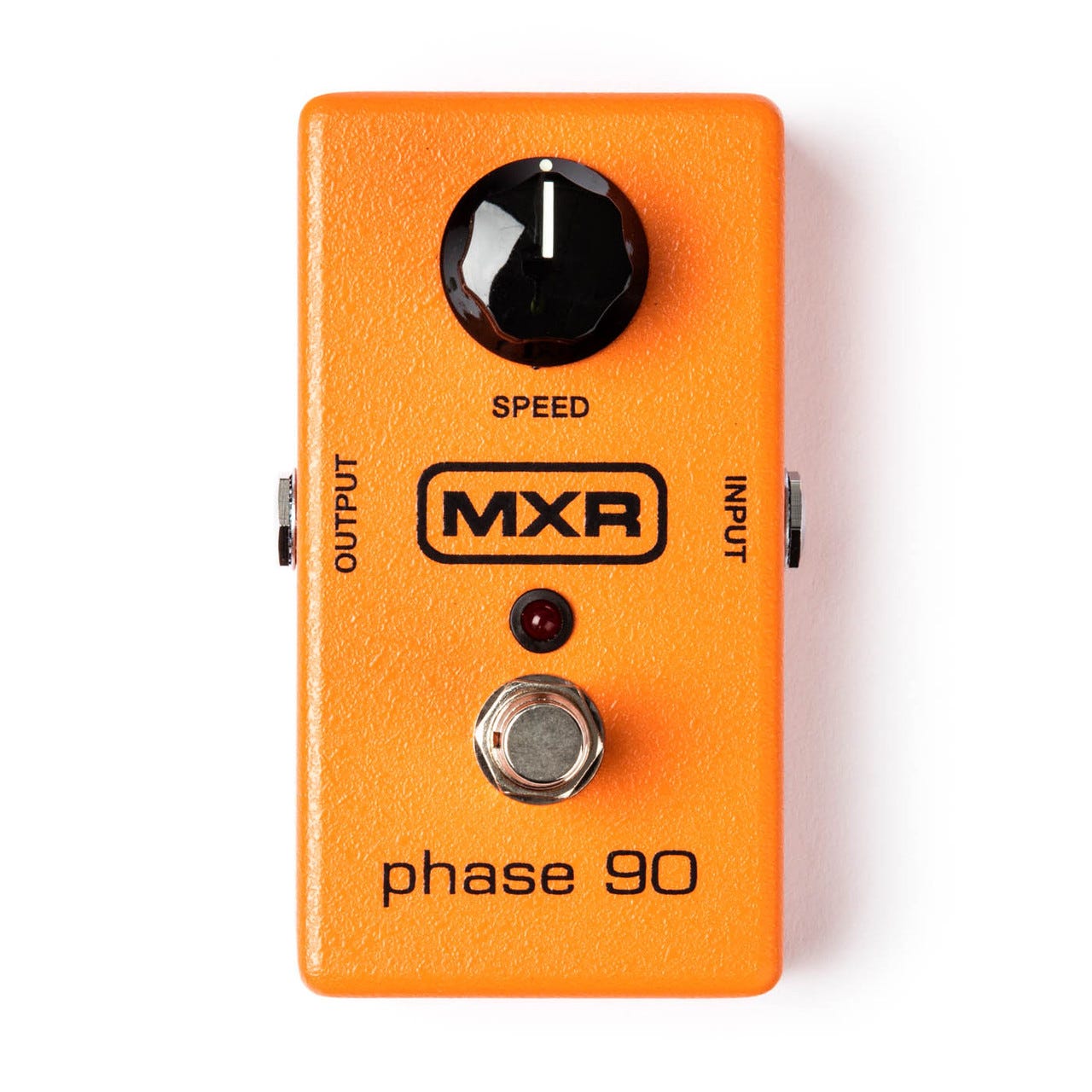
The Phase 90 has appeared on many classic recordings, including Van Halen’s “Ain’t Talkin’ ’Bout Love”. David Gilmour also used one for live performances of Pink Floyd’s “Breathe”, although the original studio recording featured a Uni-Vibe. More on that in Mike’s next choice.
Uni-Vibe
The Uni-Vibe is a classic late-60s modulation effect originally created to mimic a rotating Leslie speaker, which is known for creating a throbbing and swirly phase-chorus sound.
Mike struggled to name one definitive favourite Uni-Vibe, so he used the term more generally. He owns three vintage originals, although none currently fits on his board.
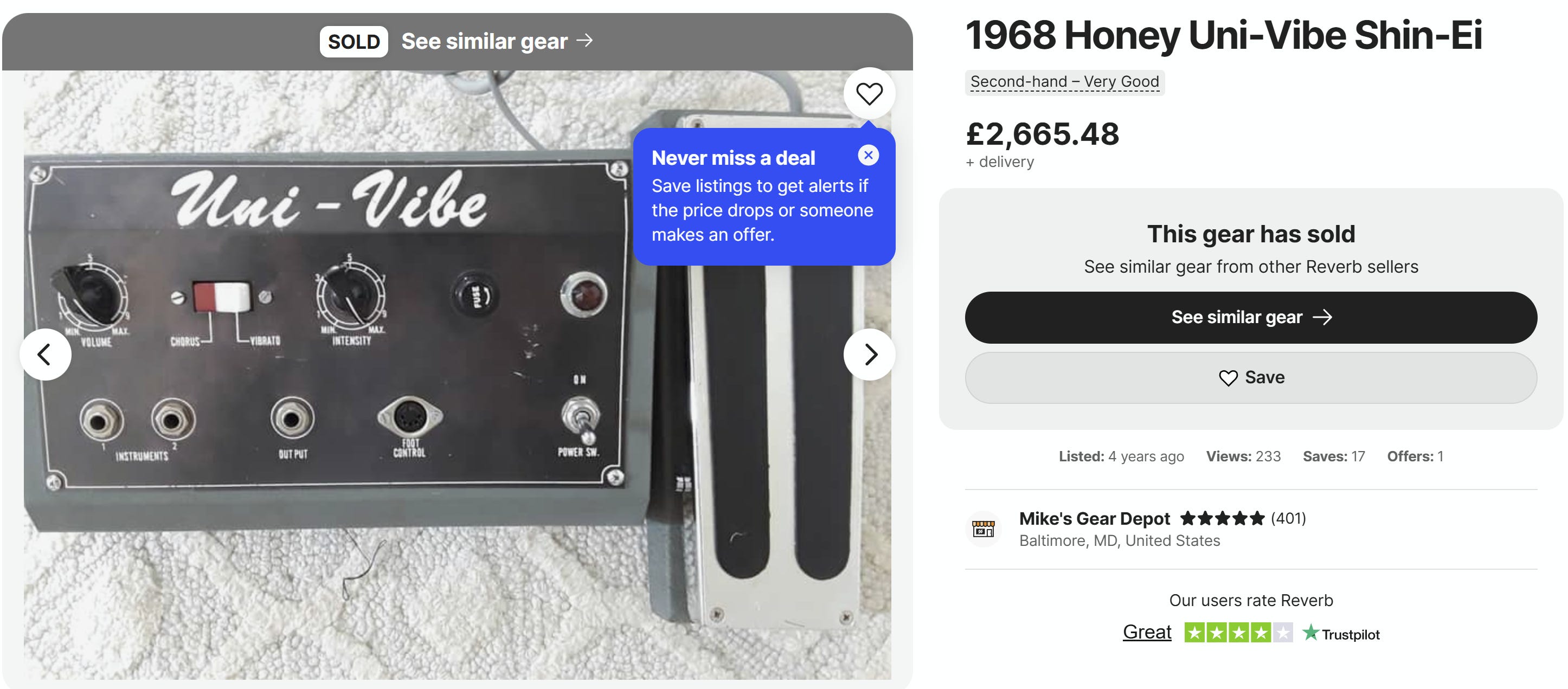
His more practical solution was to build a compact alternative into another pedal:
“I don’t have room for it on my board, so what I have is a Dunlop Octavia, and I added an [Analog Man] Sun Face and a Danelectro Chicken Salad Uni-Vibe to it. It’s not great, but it works.”
As an aside, Josh Scott of JHS Pedals provides a great Uni-Vibe 101 rundown here.
Jamie Stillman (EarthQuaker Devices)
Jamie’s three choices would make a pretty versatile pedalboard, although a tie for the final spot means he technically gave us four…
Death By Audio Apocalypse
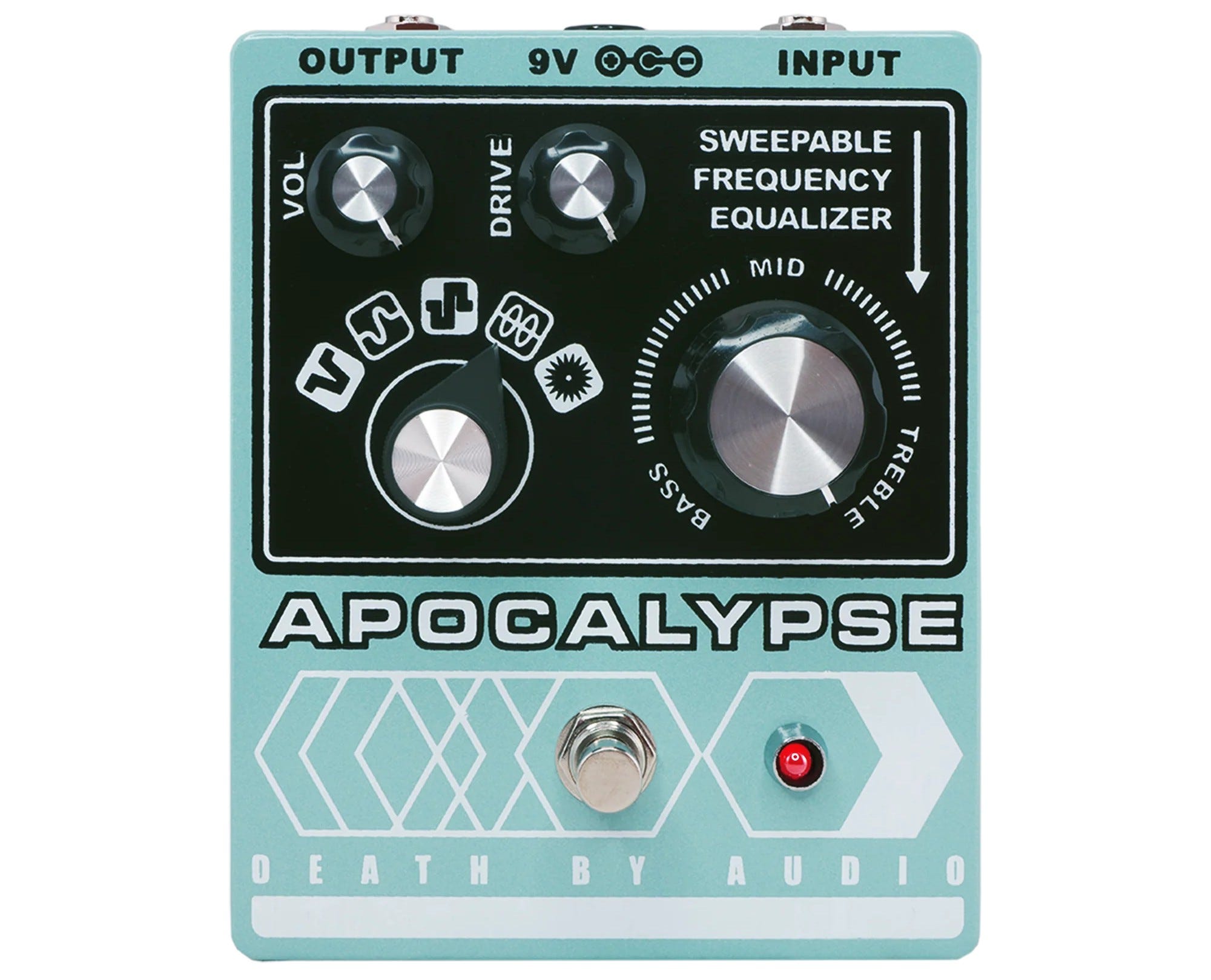
The Apocalypse was Jamie’s immediate and emphatic first choice. He did not elaborate further during our conversation, but his enthusiasm for the pedal is well established, as he has previously described it as one of the best-looking designs he has ever seen.
The pedal is a jack-of-all-trades fuzz pedal. After being dramatically overdriven, “the signal is routed to one of five selectable post-amplifiers for five wild and unique fuzz tones. Toggle through its five signal paths and choose your desired apocalyptic sound,” states the company.
The Fuzz Face circuit
Rather than choosing a particular model, Jamie selected the Fuzz Face circuit itself.
The Fuzz Face, first released in 1966, was designed by Ivor Arbiter as a simplified version of the Maestro Fuzz-Tone.
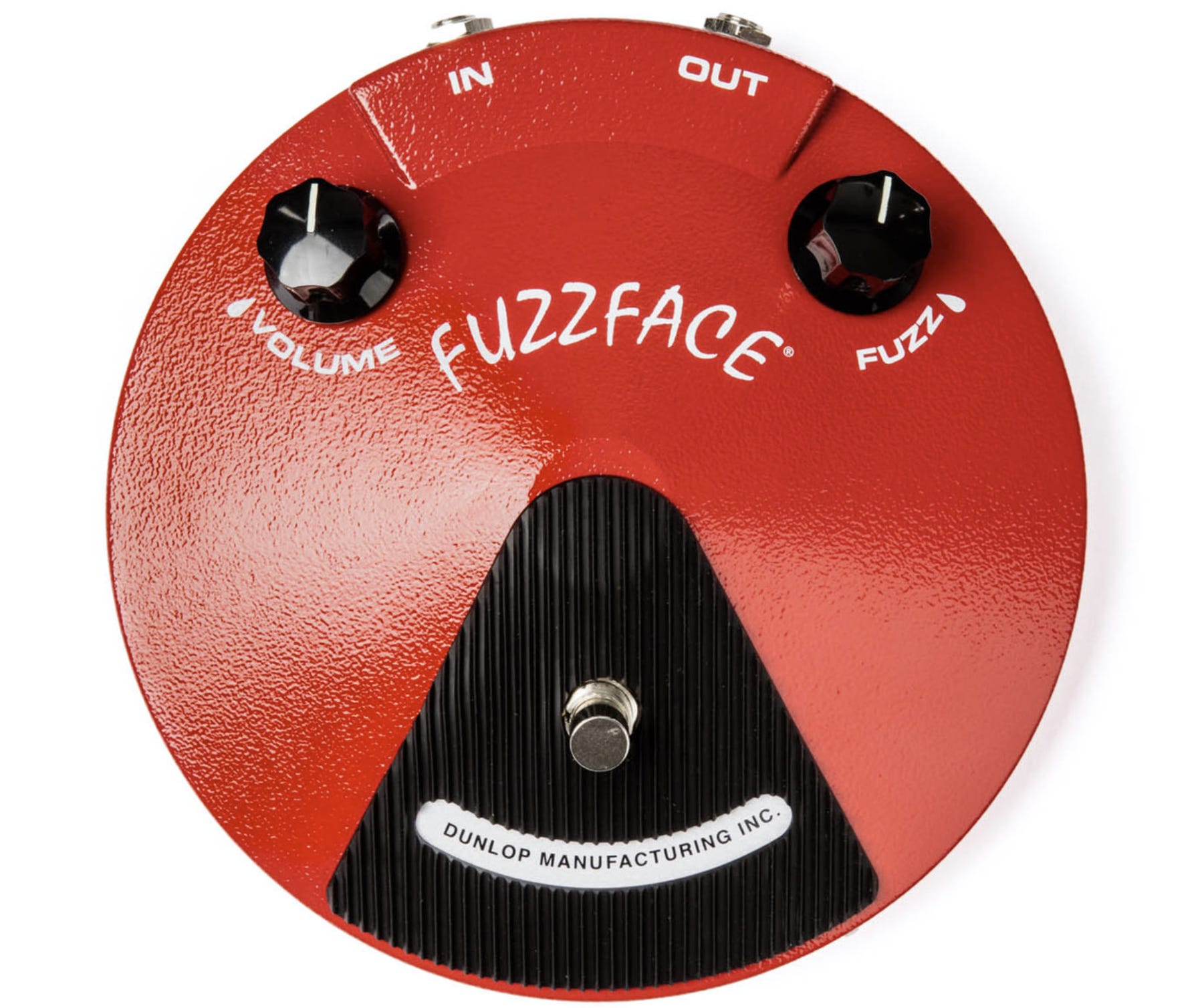
It is a circuit that Jamie has explored extensively throughout his career. The EQD Erupter, for example, grew directly from his experimentation with the circuit.
Strymon El Capistan / DigiTech Whammy
Unable to separate them, Jamie tied the Strymon El Capistan and DigiTech Whammy for his final choice.
The El Capistan provides warm vintage delay tones, a 20-second sound-on-sound looper, and a built-in spring reverb.
Meanwhile, the DigiTech Whammy gives players “hair-raising ‘dive bomb’ effects, gripping pitch bends, and lightning harmony shifts”, according to the manufacturer.


The El Capistan occupies a space between pristine digital fidelity and the instability of an ageing tape echo:
“It’s, like, shockingly hi-fi… lo-fi. Somehow, it is just very inspiring to play through,” Jamie told Products of Music.
The Whammy didn’t get a further explanation, although it is evidently more than a passing choice. Jamie selected the compact Whammy Ricochet when invited to assemble a pedalboard from Sweetwater’s effects collection in 2023.
John Snyder (Electronic Audio Experiments)
John’s choices lean heavily into inspiration, including one pedal he credits with setting him on the path to building effects himself.
DigiTech PDS 20/20
John’s top pick was the DigiTech PDS 20/20. First released in the 1980s, it was a dual-footswitch digital delay and modulation pedal that provided up to two full seconds of delay time at full bandwidth, and contained built-in chorus and flanger modes with adjustable speed and depth.
The pedal also helped inspire Big Time, his recent pedal collaboration with Chase Bliss.
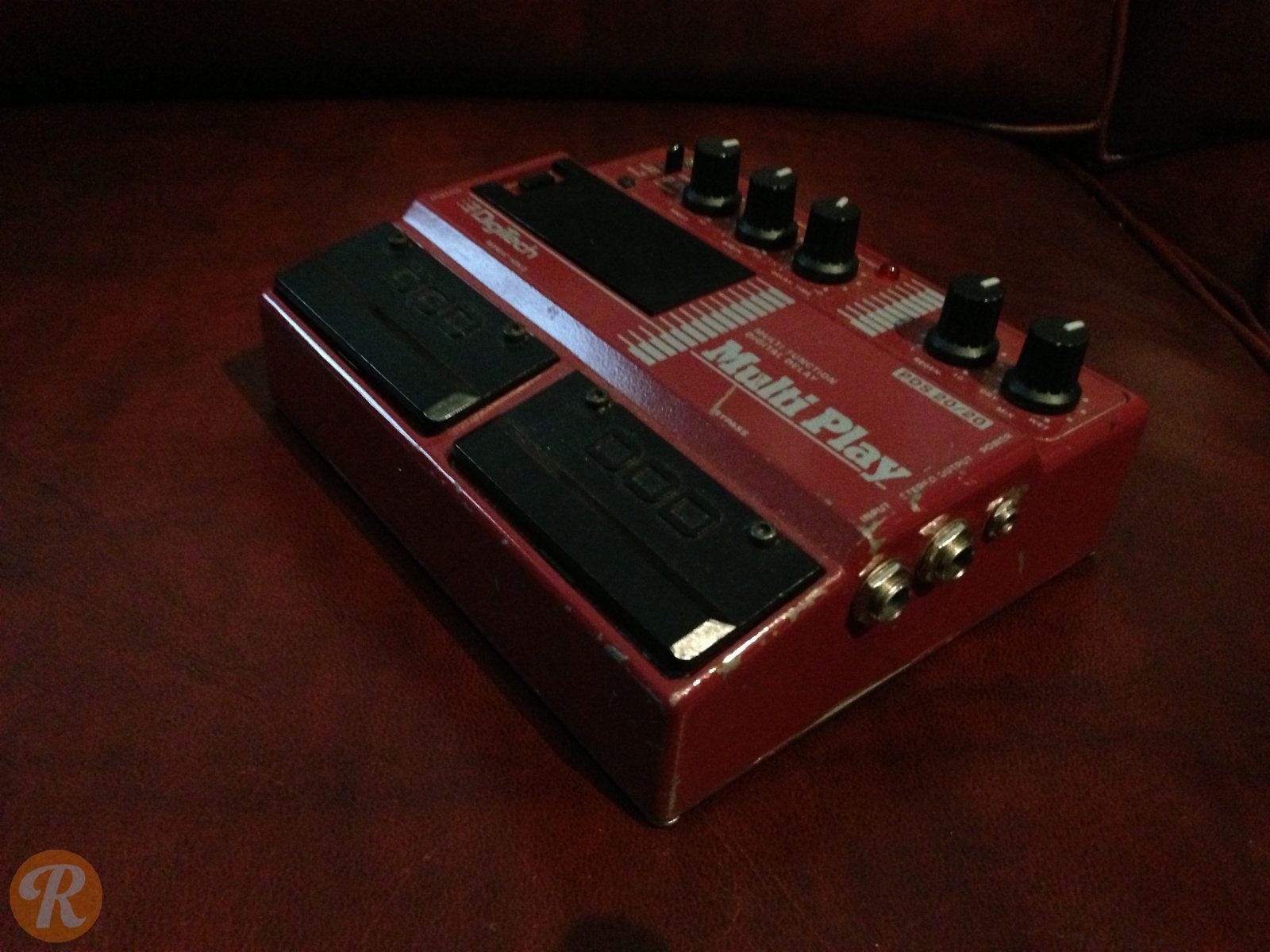
“One of my goals is to take four PDS 20/20s and put them in a matrix mixer, because I could do a whole drone set with just that and it would be really fun,” said John.
Caroline Wave Cannon V1
The original Wave Cannon was Caroline Guitar Company’s first pedal, a loud, aggressive distortion and fuzz released in 2010.
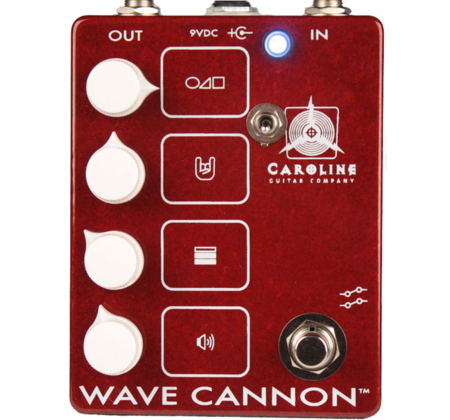
For John, its importance is personal.
“It was just this incredibly inspiring pedal. It’s a big, loud, raunchy distortion, it does exactly what you want it to, and has just enough noise options to keep it exciting. I definitely would not be building pedals if not for falling in love with the Wave Cannon at a guitar store in probably 2013 or so.”
Red Panda Tensor
The Tensor combines tape-style effects, reverse and pitch shifting, and has remained a fixture on John’s board since he first bought one.
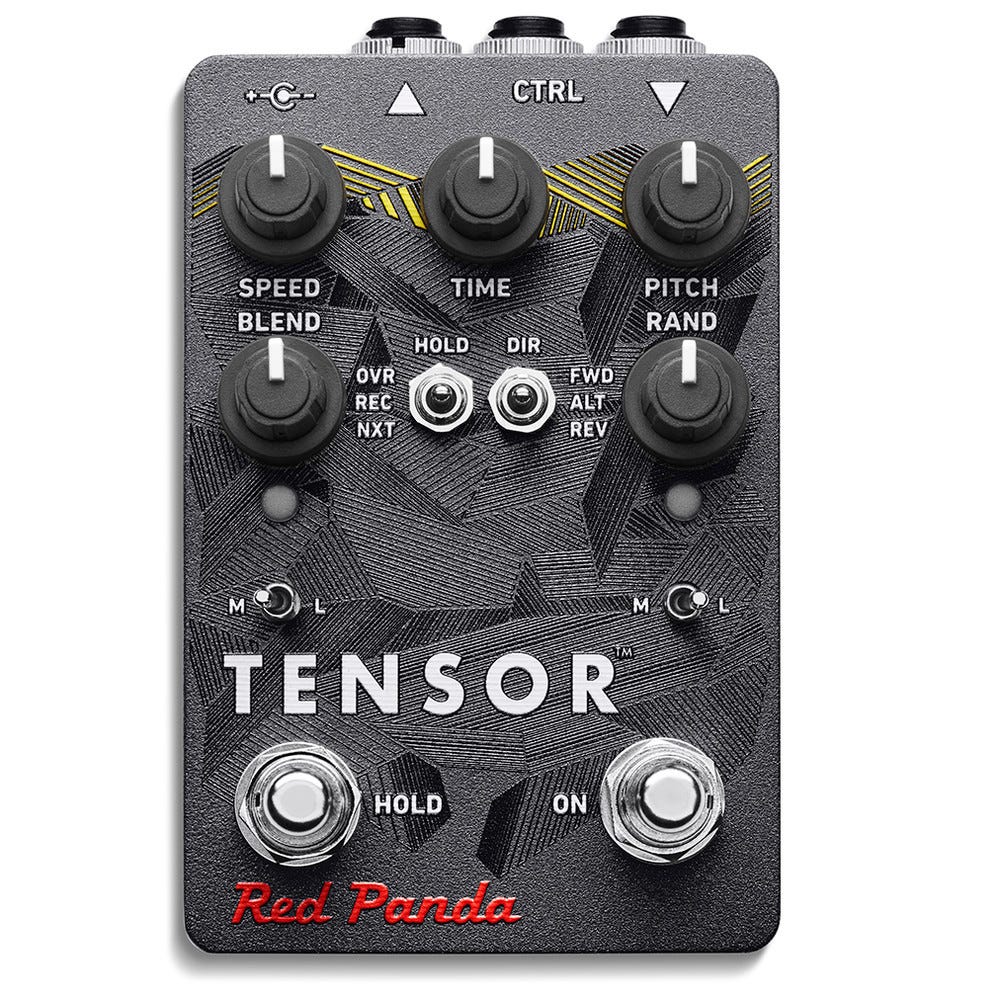
“For me, it’s my favourite sort of time-travelling pedal. I can almost use that pedal without looking at it. I just know that interface so well, and it means I can perform with it and improvise with it.”
Brian Wampler (Wampler Pedals)
Brian was originally asked to name his single favourite pedal of all time. Rather than settle on one, he gave several shout-outs to pedals he rates highly, including ones that he thinks could be underappreciated.
Bogner La Grange
The La Grange was an amp-in-a-box guitar overdrive and boost pedal designed to emulate classic mid-60s British Plexi amplifiers and modded high-gain amps from the 80s and 90s.
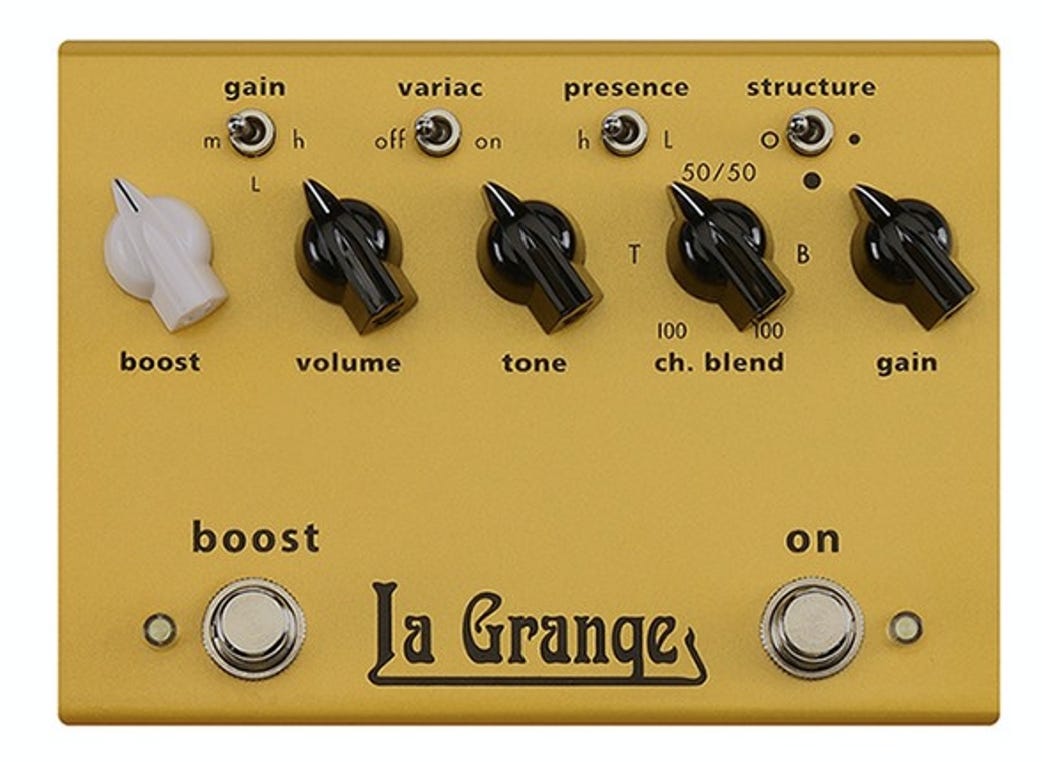
Brian highlighted the Bogner La Grange for the realism of its clipping and overdrive character.
“I don’t know how well it did, but man, I’ve always loved the realistic clipping texture of that pedal.”
Revv pedals
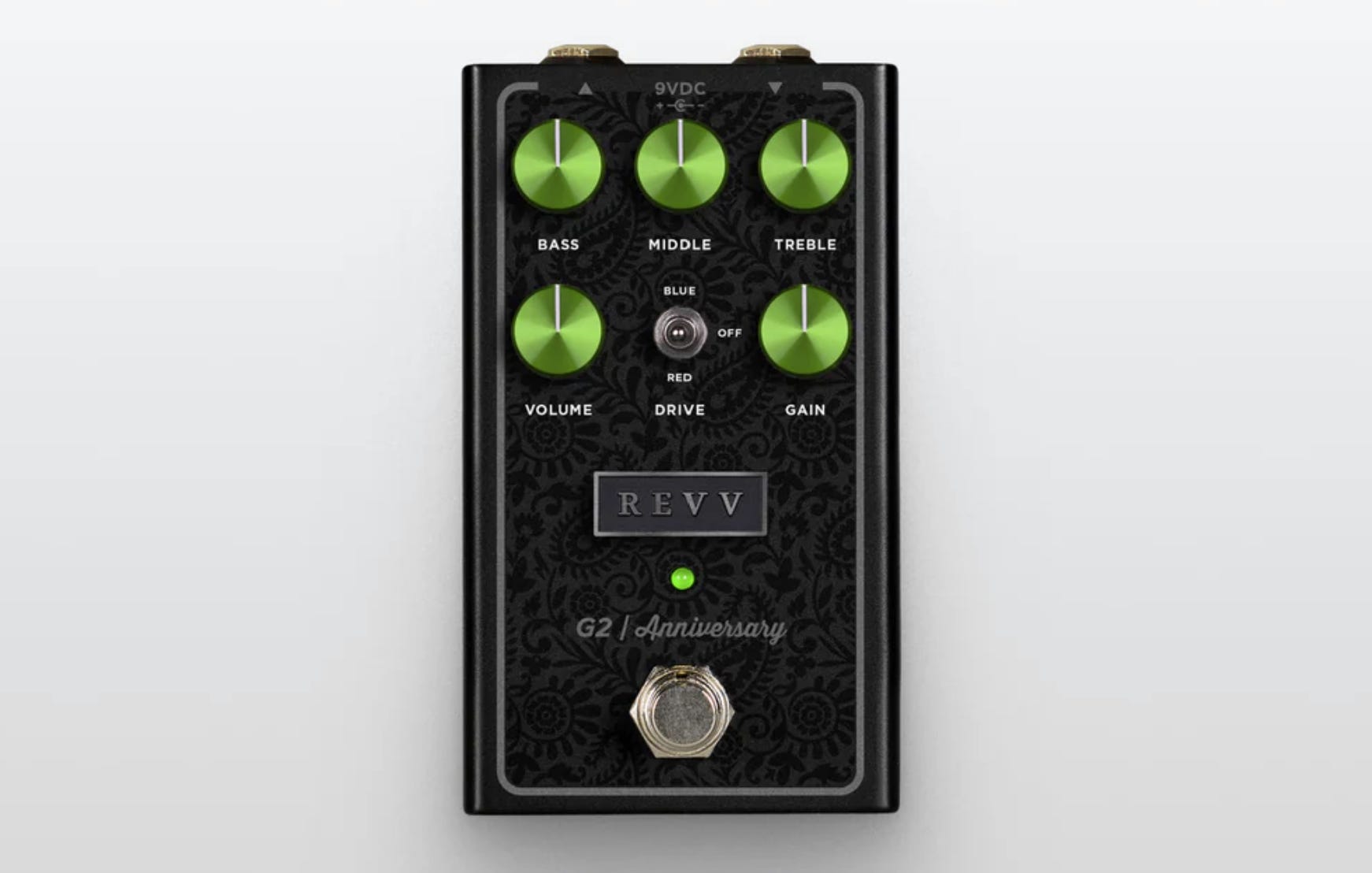
While looking through the pedal collection behind him, Brian also gave a quick mention to Revv, describing the company’s pedals as consistently great.
He could have been referring to one of the lower-gain models in the line-up (although it was not confirmed), such as the G2, which was “developed alongside Nashville’s premier session guitarists to quickly achieve a wide variety of touch-sensitive edge-of-breakup & transparent crunch tones that satisfy the needs of the most demanding players”, says Revv.
Marshall pedals
Brian highlighted Marshall’s more recent Plexi pedal in particular which looks to capture the dynamic range, clarity and rich tonal character that “defined the vintage roar of the original 1959”, the company states.
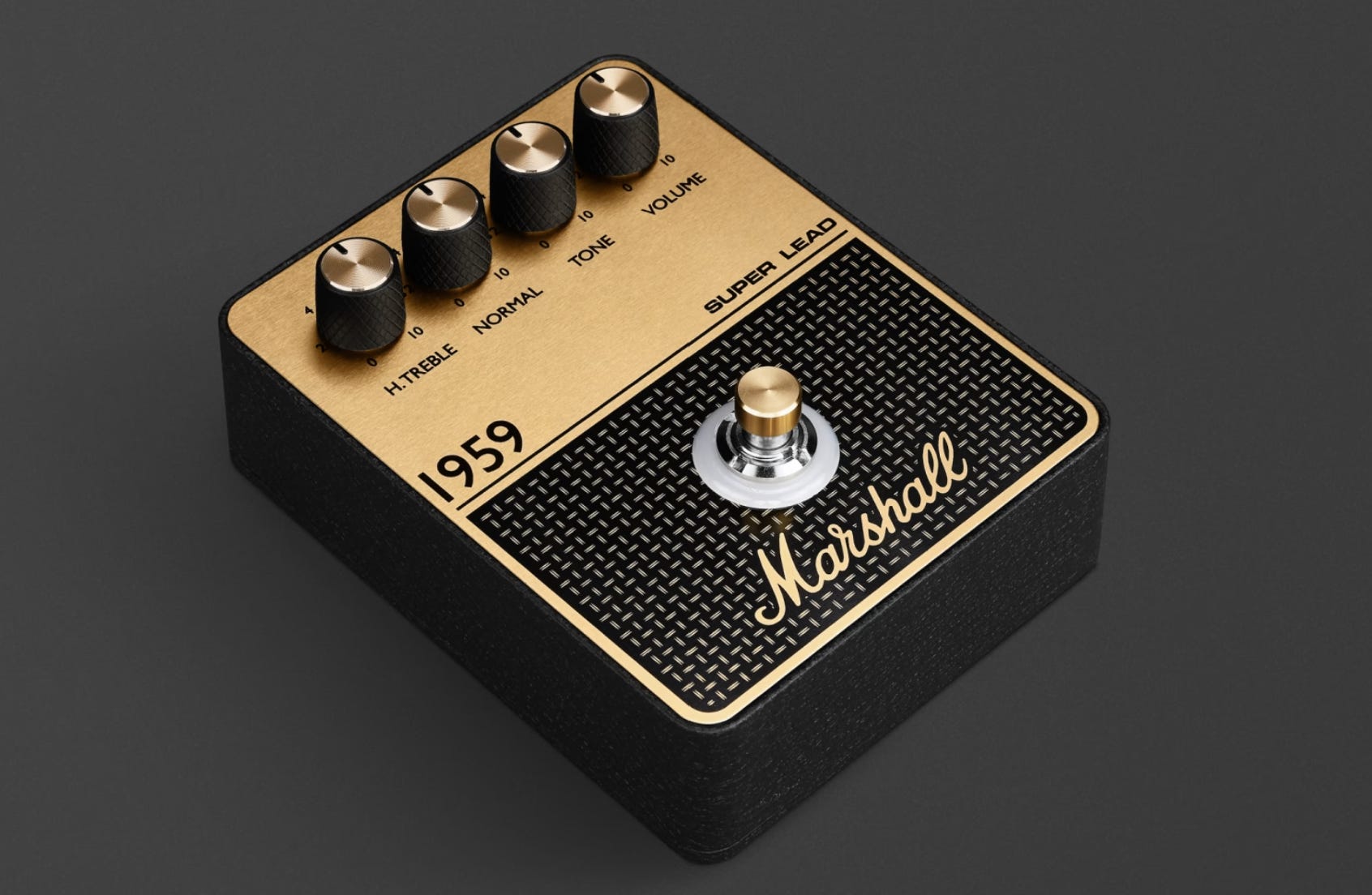
He also mentioned the JVM variant, although its higher-gain character is less suited to his tastes.
“The Plexi is awesome. That’s probably one of my favourite non-Wampler pedals right now, because I’m into this Plexi phase.”
That phase began after years of being primarily a Fender amp player. At the time of our conversation, he had recently purchased a PRS HDRX 20, which took him down the Plexi rabbit hole.
“I bought it on a whim. Sam Ash was going out of business and it was a good price. I took it home, fell in love with it and thought, ‘I really need to dive deep into Plexis for a while.’”
Joel Korte (Chase Bliss)
Joel’s choices reflect both his early years at ZVEX and his fascination with pedals that achieve something technically unusual.
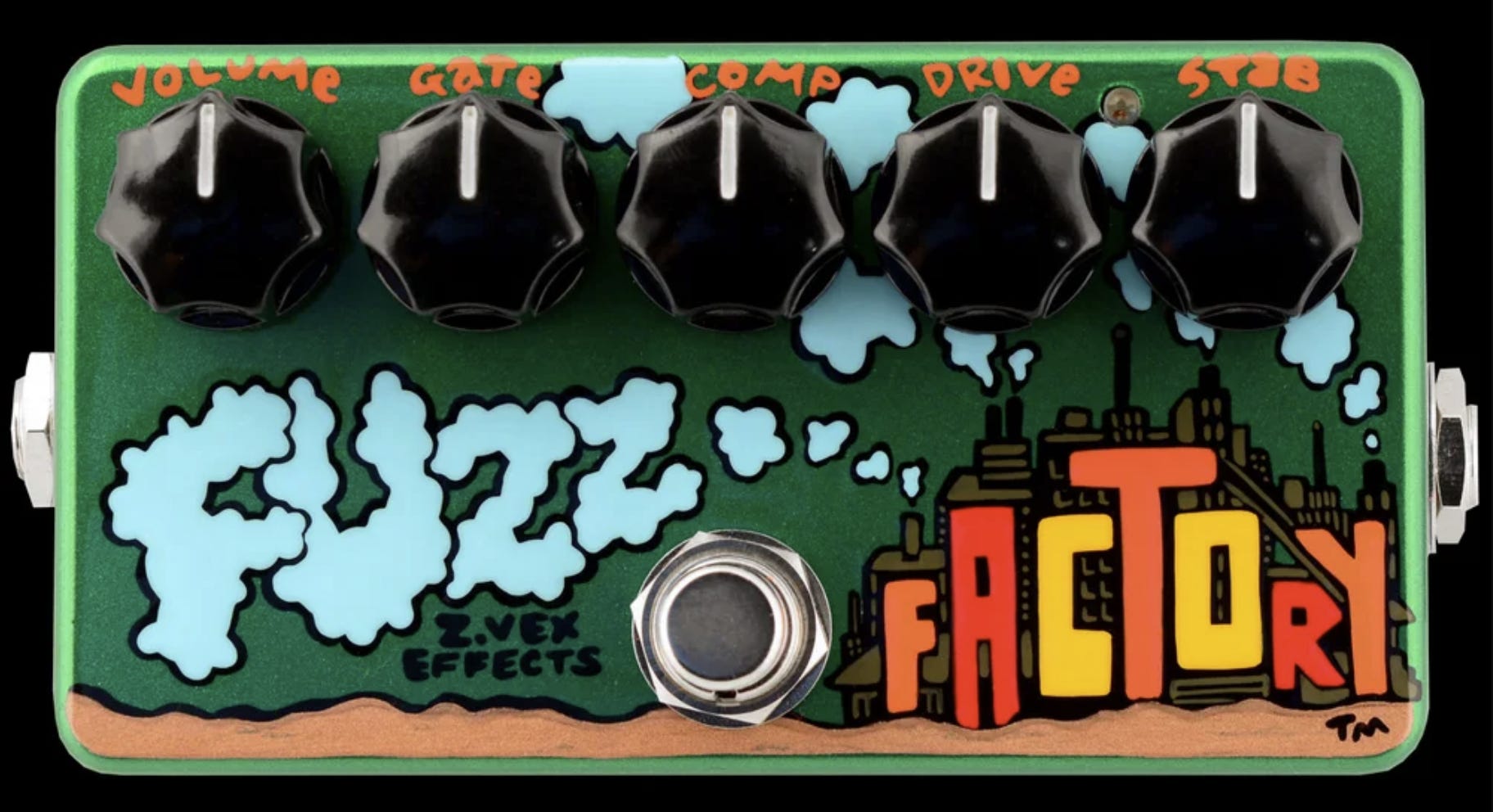
ZVEX Fuzz Factory
Joel’s first choice came from the company where he learned his craft before founding Chase Bliss. Designed by Zachary Vex, the Fuzz Factory has become one of the most recognisable and awesomely unpredictable fuzz pedals ever made.
ZVEX Lo-Fi Loop Junky
His second choice was the Lo-Fi Loop Junky, which delivers a 20-second analogue phrase-sampling looper with “very low fidelity, frequency response that cuts off at 2.6 kHz, brick-wall compression, hiss, distortion and a warped-record vibrato feature that makes your guitar sound like an ancient radio transmission, but your direct guitar sounds especially sparkly,” according to ZVEX.
Unlike the Instant Lo-Fi Junky, the original Lo-Fi Loop Junky was not a pedal Joel worked on himself.
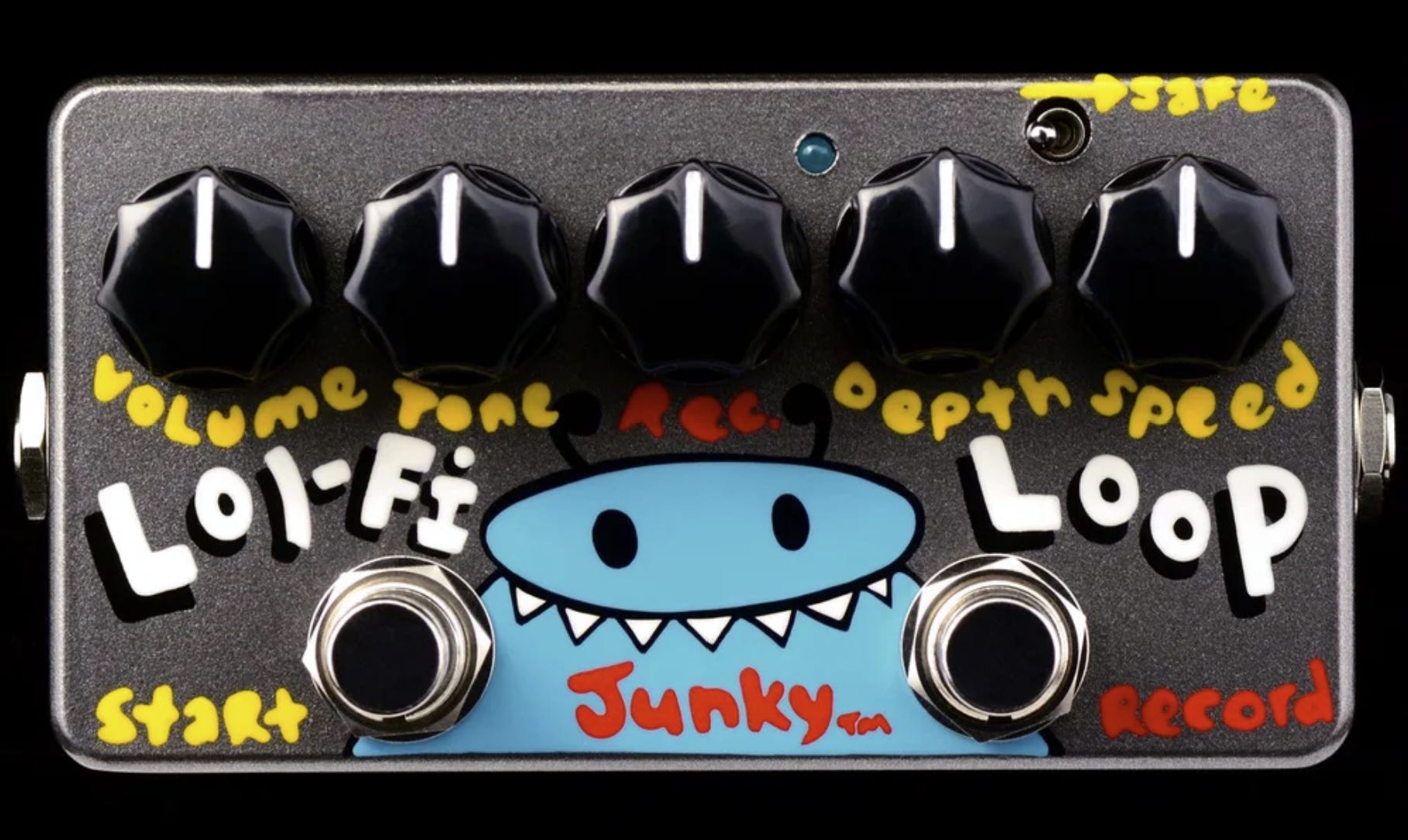
“Zack did that one. I did the Instant Lo-Fi Junky. It just captured my heart. That warbly, vibrato, compressed sound is still one of my favourite sounds today. I just love it.”
Foxrox Paradox TZF
The Foxrox Paradox TZF was the very first guitar stomp box designed to create a through-zero-flange in almost-real time. It was in production between 2002 and 2006, and fewer than 500 were made.
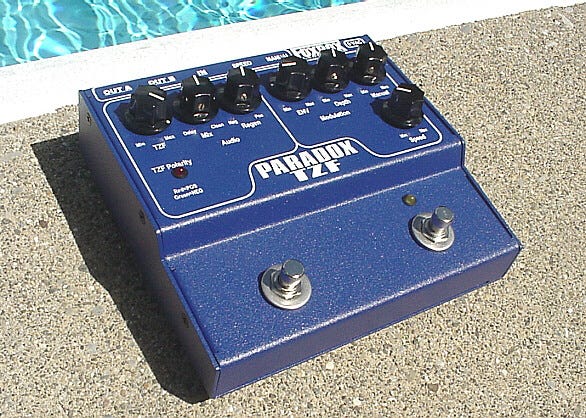
According to its designer Dave Fox: “When I went to the Institute of Audio Research in 1983, I was curious about through-zero-flanging, so I asked one of the professors if it was possible in real time. He told me no - it's impossible. You would need a time machine so you could get sound from the future in order to get that over-the-top sweep. I understood his point, but the first thing that occurred to me was - what if I delay the dry signal? It's almost-real time.” Quote source.
Joel owned the original Paradox, rather than the later TZF2 version, and was particularly inspired by the analogue through-zero flanging.
“One of the things I know most about is analogue bucket-brigade technology, and this is super hard to do.”
Through-zero flanging requires two delay lines to cross over one another. Achieving that in analogue circuitry is especially difficult because the separate clock frequencies can interfere with each other, creating noise and unwanted artefacts.
“It was hugely inspiring to me. My spin-off and inspiration from that was the [Chase Bliss] Spectre. The pedal is just legendary, and the engineering behind it is so impressive.”
Brady Smith (Old Blood Noise Endeavors)
Faced with the pressure of naming his three favourite pedals of all time, Brady gave himself a more practical brief: build a desert-island pedalboard.
EarthQuaker Devices Gray Channel
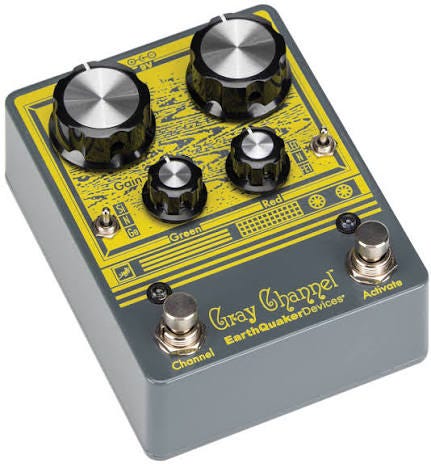
Brady’s first choice was the now-discontinued EarthQuaker Devices Gray Channel, a dual overdrive based around the DOD 250 circuit, a classic hard-clipping overdrive and one of the pedals that got Jamie Stillman to start building pedals and launch EQD.
The Gray Channel is two channels of “a simple hard clipping overdrive that leaves the character of the guitar and amp intact”, according to EQD.
“I use that all the time,” said Brady.
Empress Effects Bass Compressor
For compression, Brady chose the Empress Bass Compressor. This was a pedal he had already praised earlier in our conversation and had recently been enjoying immensely.
It is a high-end, studio-grade compressor with input and gain reduction metering, independent attack and release controls, a mix knob for parallel compression and more.
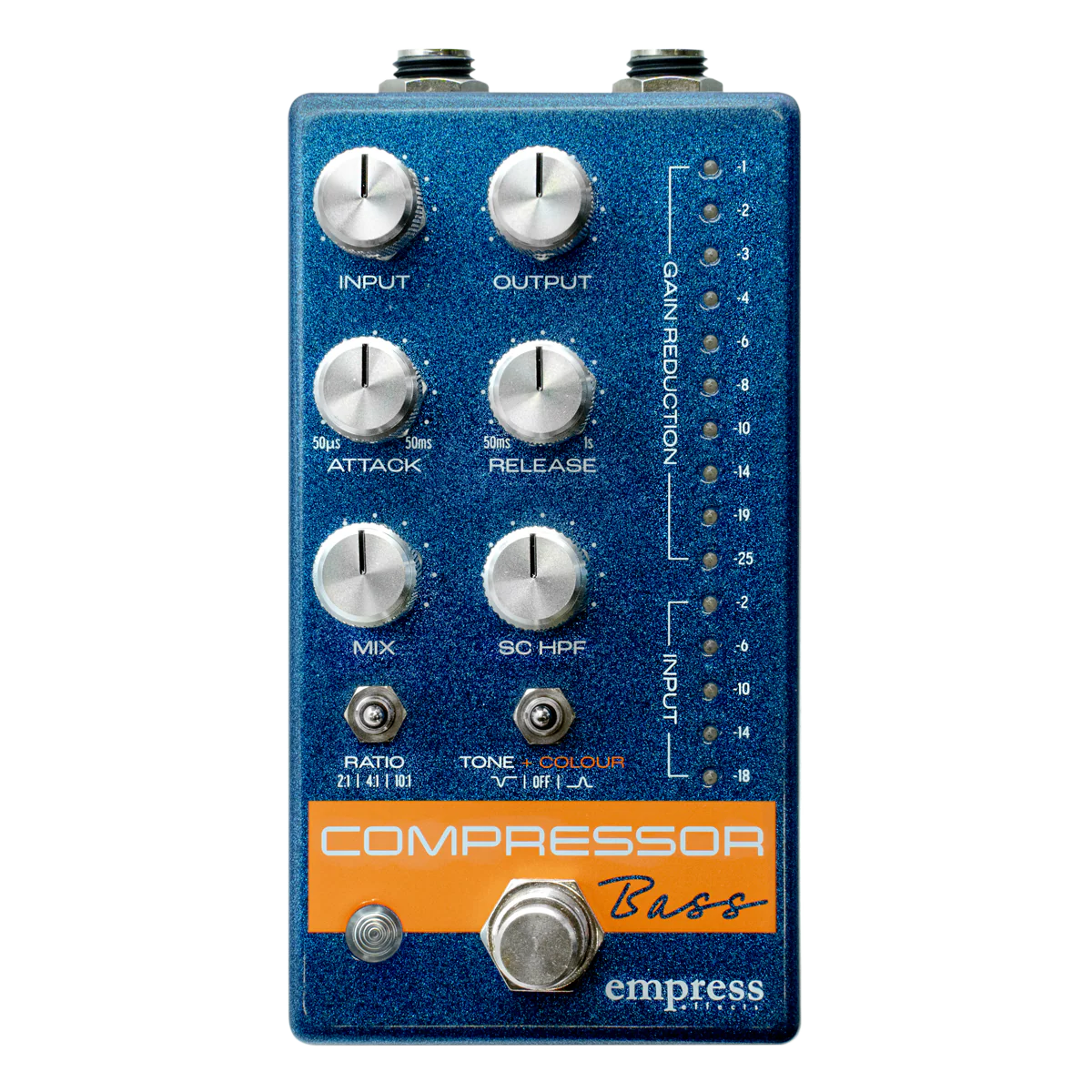
Looking at his increasingly practical pedal selection, Brady conceded:
“God, this is a boring board…”
Meris LVX
To cover everything else, Brady turned to the Meris LVX, a modular delay system which “breaks the paradigm of pre-set delay types in favour of freedom and flexibility”, according to the company.
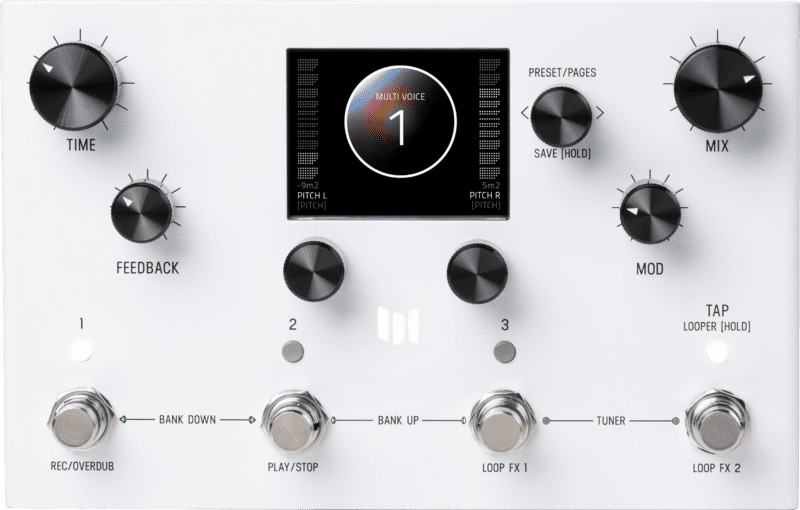
“One of the Meris pedals would be good [to] cover all my bases. The bigger delay they have, the LVX. That would get me to where I needed to be.”
Steve Bragg (Empress Effects)
Steve’s choices centred around a particular theme: pedals that turn the guitar into something closer to a retro games console.
Mid-Fi Electronics Glitch Computer
Steve’s first choice was the Glitch Computer, a pedal he cannot imagine ever being displaced from the top spot.
It is a high-gain fuzz with “poorly tracking two-octave-down harmony, from slight glitches to full-on random arpeggiation”, the company states.
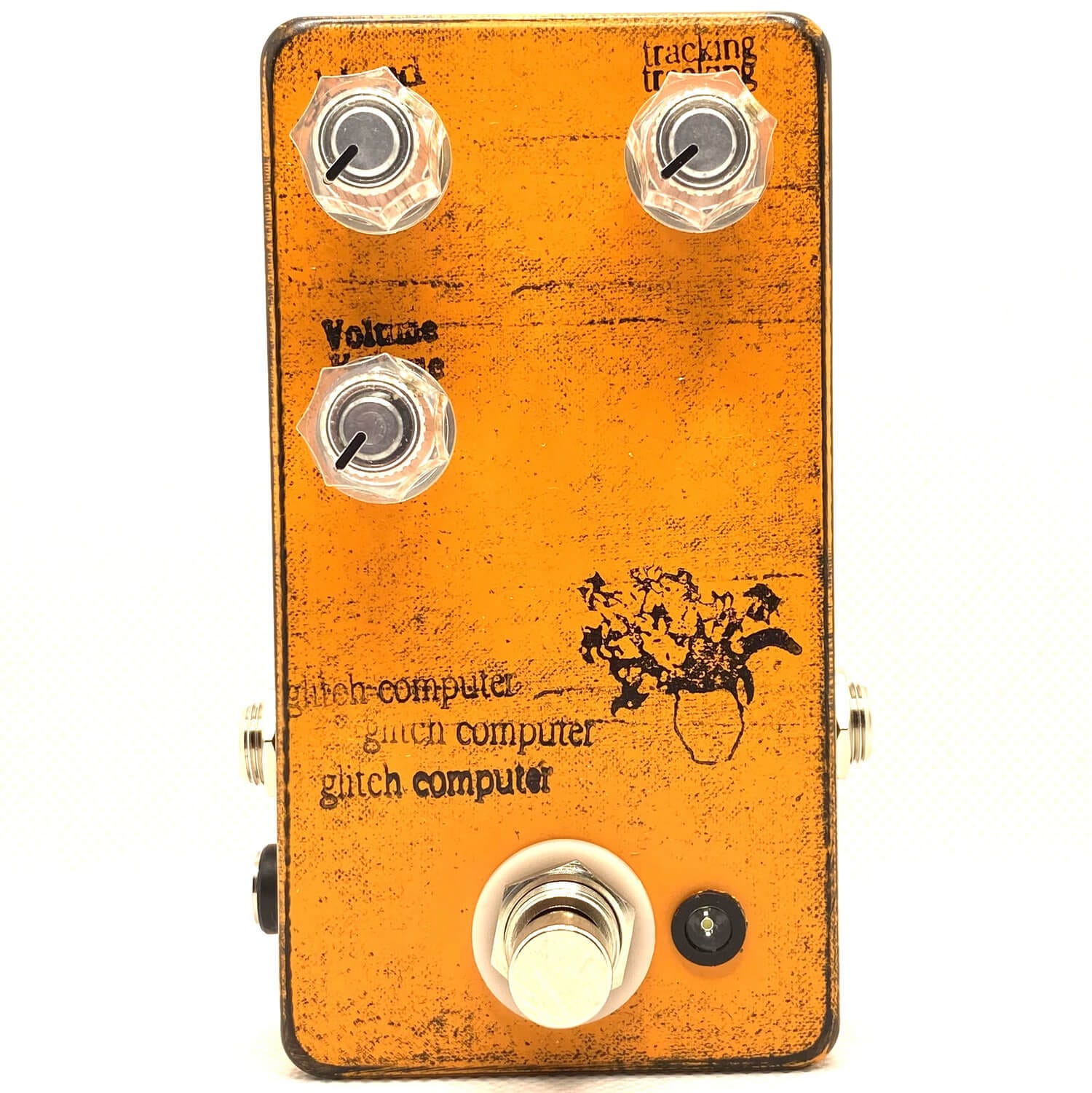
“It kind of makes things sound like a video game. I love that pedal.”
Empress once ran the pedal into a ParaEq for an early demonstration video, a combination Steve said he thought sounded particularly good.
Parasit Studio Arcadiator
The Arcadiator was a gift from a former Empress employee and features an acid-etched Pac-Man design on its enclosure.
The pedal is a CMOS-based fuzz that does square wave fuzz, octave down, octave up, pulse width modulation, alternating octaves modulation and more.
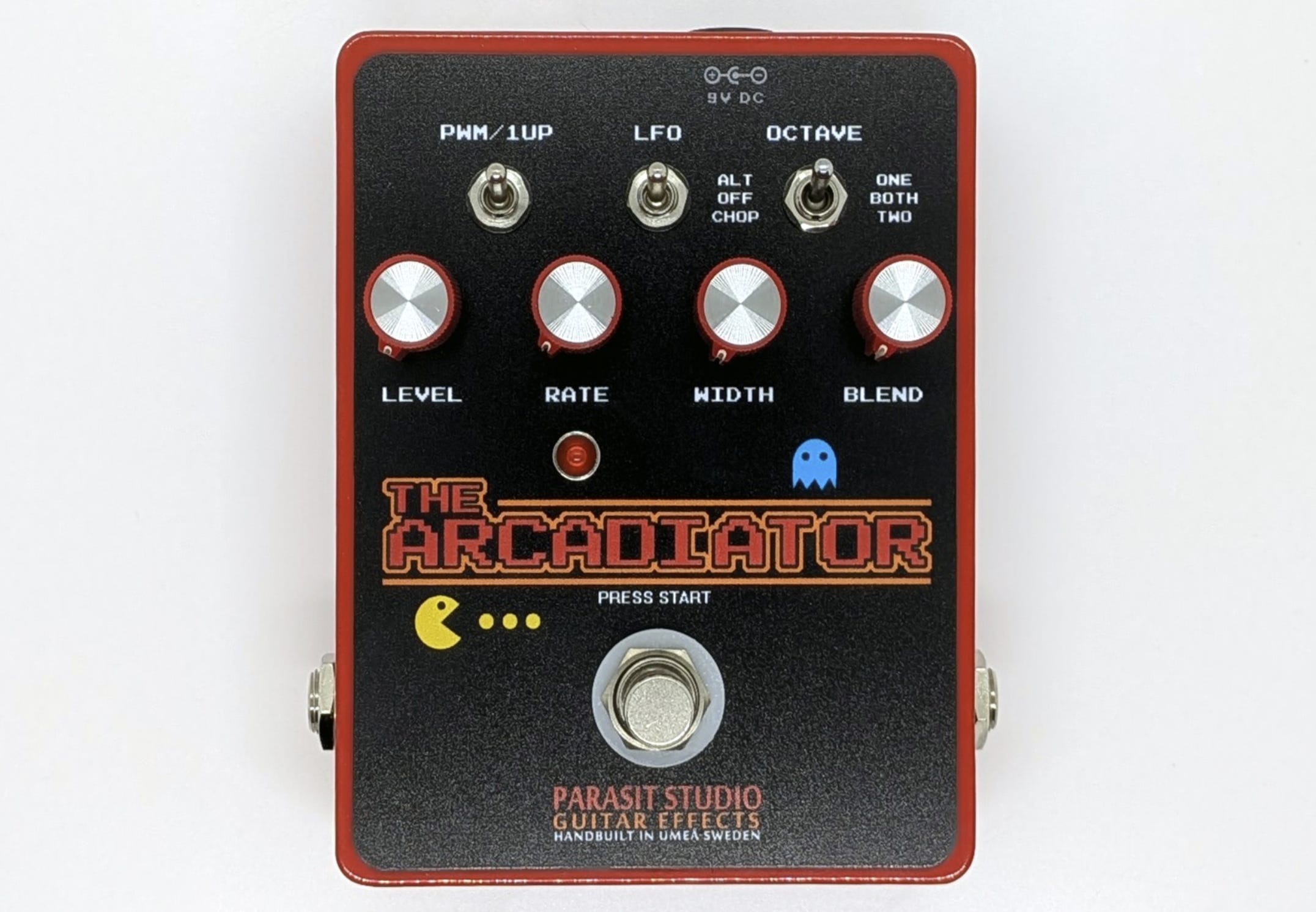
“It also kind of makes everything sound like a computer game. It’s pretty sweet.”
Chase Bliss Lost + Found
Steve’s final choice was the Lost + Found, a limited Chase Bliss release featuring 12 different effects, with six on each side.
Lost + Found is Chase Bliss’s first true multi-effect where its modes can be blended in countless ways, with a “full spectrum of textures inspired by the effects that have captivated and perplexed us over the years”, notes Chase Bliss.
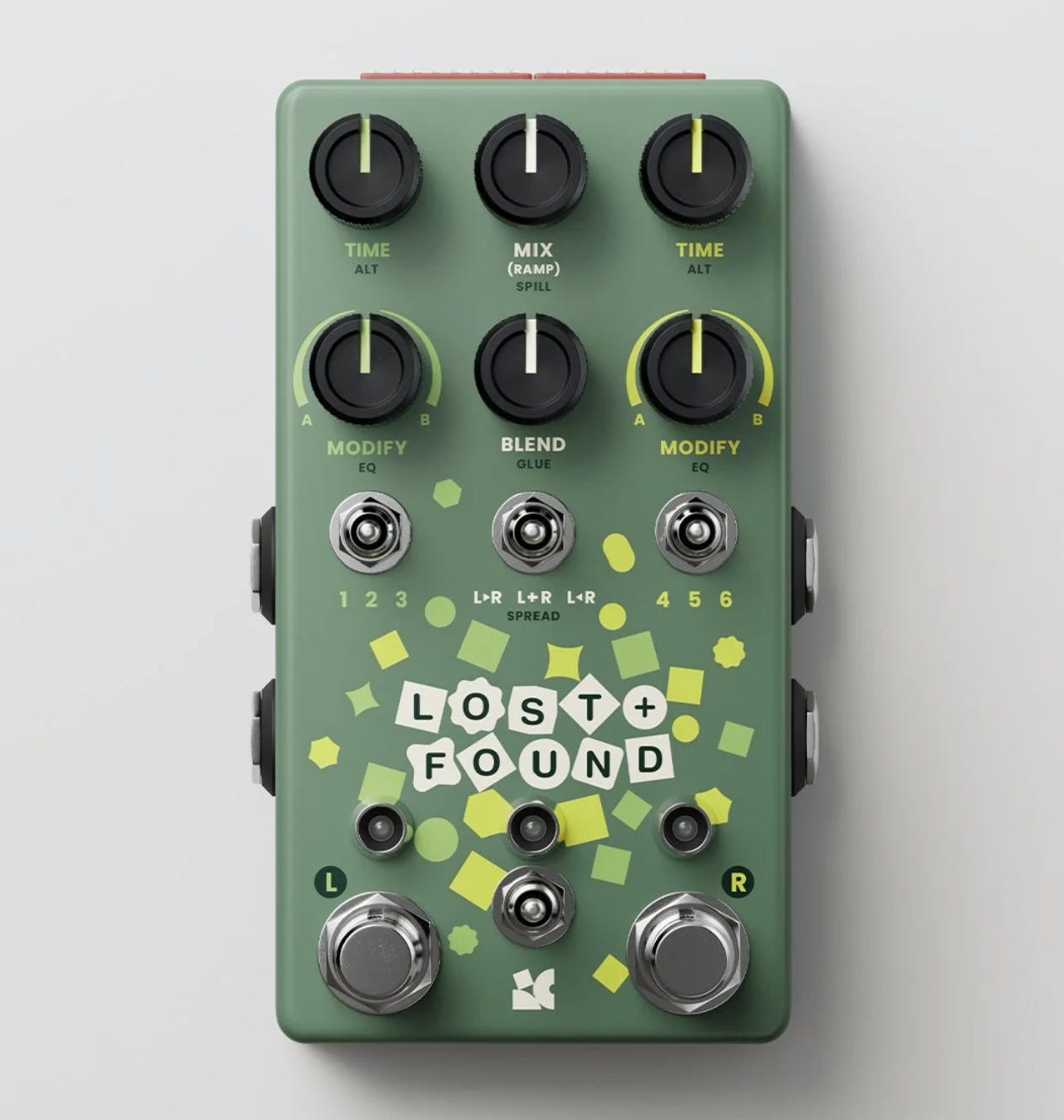
“I was recently able to start diving into this thing, and it’s pretty wild. Some of the algorithms on their own are just wild, like the Impulse Synth and the Grain Tumbler.”
Wrap-up
These choices are only a tiny part of the wider conversations on Products of Music, where I speak with the founders behind some of the most interesting companies in music technology about how they built their businesses, developed their ideas and created the products they are known for.
Future guests will be answering these questions and plenty more, so subscribe to the Substack to be notified of future episodes and read bonus content like this. Please make sure to also subscribe to the YouTube channel to watch the full interviews.
Writing from Germany here. I'm such a massive fan of those music related episodes of your show, it became my favorite gear related podcast VERY quickly. The production value is remarkable - it sounds really good. Both voices are always so well balanced which is quite helpful because I mostly listen to the pod in the car. It's a bit annoying if you have to ride the fader constantly when you just want to follow a conversation. Your show is more like professional talk radio and you are a very considerate host. Keep up the good work!