



Over the past two seasons of Products of Music I’ve had the opportunity to speak with some of the biggest names behind guitar, amplifier and effects pedal companies. Along the way, I’ve asked many of them to share their advice for anyone looking to start or scale their own music gear business.
Here are some of my favourite insights from those conversations.
If you’d prefer to watch the segments rather than read through this post, you can find the compilation video below on YouTube (which does contain more content than this article). Otherwise, continue reading.
Dave Friedman, Friedman Amplification
Dave’s core advice came down to two fundamental pillars: product and marketing.
“You’ve got to have a great sounding product… You could have all the marketing in the world but if the product is shit, it’s going to be shit.”
As far as marketing goes, Dave described how the rise of YouTube influencers has changed the game when it comes to reaching large, engaged audiences.
“You’re going to have to pay them to do these demos; paid promotions, whatever you like to call them. They’re not reviews necessarily, they’re paid demos of your product.”
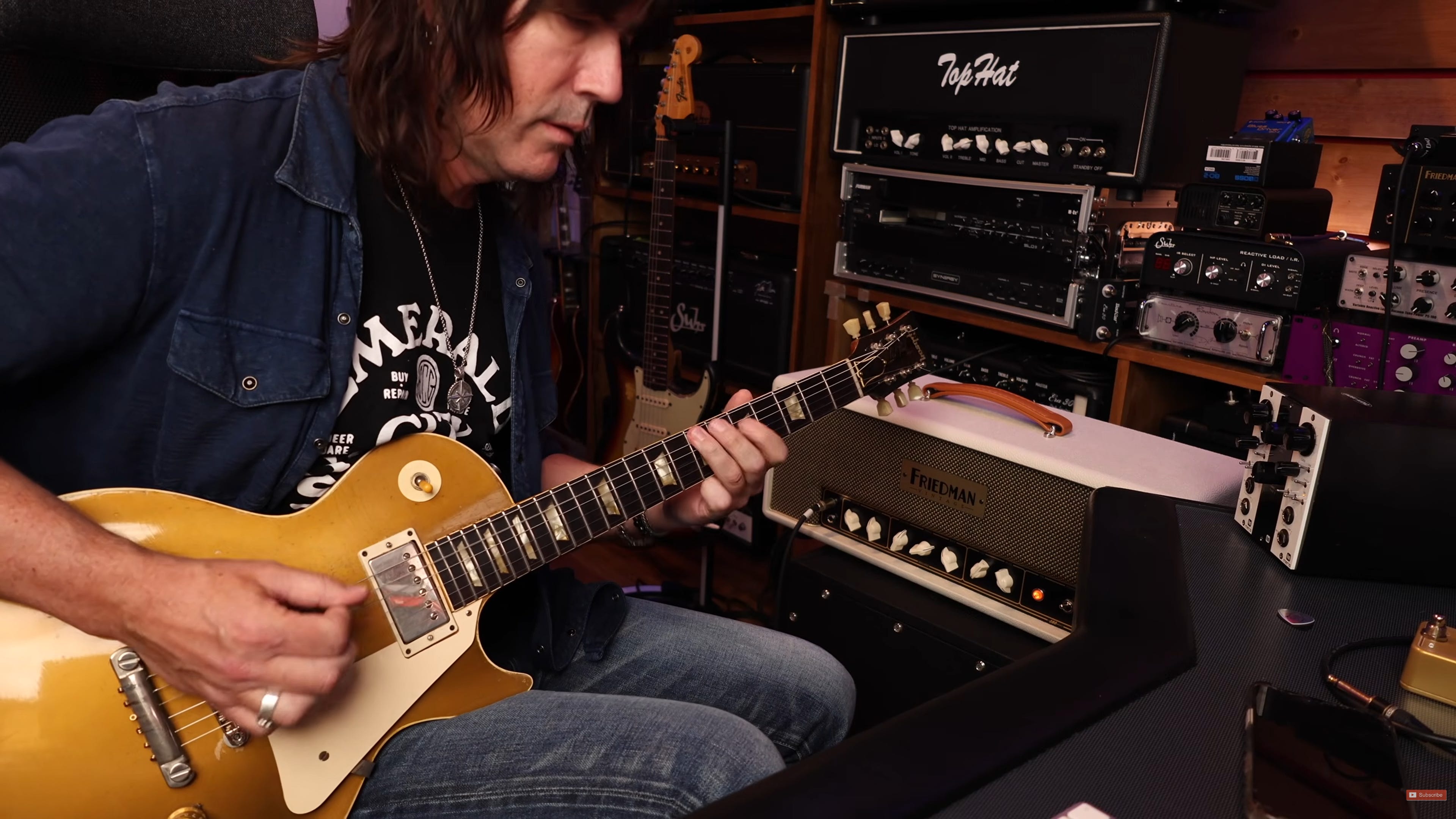
He explained that if the gear comes across as genuinely great (as per his first point), these demonstrations can be extremely effective in helping to sell the product. This is particularly true for smaller companies with a limited brand footprint that are trying to cut through the noise.
His final piece of advice was to start small and keep it small. The reality of scaling a business is that it often comes at the expense of margins and profits as overheads creep up, at least until you become “much, much larger”.
Daniel Steinhardt (The GigRig)
Dan emphasised his passion for the guitar and how, even after all these years, he remains completely obsessed with it.
Working with engineers, he discussed the importance of those developing products at a company like The GigRig genuinely understanding both the problem they are trying to solve and the customer they’re solving it for: the guitar player.
“I’ve got some great engineers that have worked with us over the years, but it’s amazing how much they’ll come into it with an engineer’s mindset and go, ‘Well, there’s no way that that can make any difference.’ And I am like, ‘I need you to spend two weeks with me, and we are going to go through this stuff, and then you tell me what you think of it at the end.’
“Guitar land, all those silly impedances, it’s a dark art… The reason I say this is that if you are passionate about something (and you might not have an engineering degree or marketing or whatever), never discount that your experience is valuable. What you bring to the table, what you picked up over the years by just being passionate and interested in something, is irreplaceable.”
As a result, Dan ensures that his engineers get to experience real-world guitar sounds and the resultant ‘dark art’ for themselves. They need to hear and understand what makes a difference, rather than relying entirely on what the theory suggests.
This ultimately informs a set of principles within their product development process, including considerations such as headroom, impedance and other technical characteristics that on paper do not necessarily seem important, but for many guitar players are essential.
Brady Smith (Old Blood Noise Endeavors)
As a self-described ‘glass-half-empty’ kind of person (although he’s constantly working on it), Brady offered some words of caution about the realities of being a founder in this industry.
He was particularly open about the challenges of running a business, including the importance of finding the right people for the right roles.
“The idea of being a business owner is very much different to what you think it is at conception. It requires time in a way that you eventually won’t have, or will change, and requires skills that you don’t naturally have that you have to learn. For me personally, realising [that] someone else would be better than me at doing this, so we need to find that right person to do it.
“Relationally, man, yeah, it’s hard. My first instinct was I want to work with my friends, the people I am closest to, that share this dream with me. And that is fun and can be good, and then it can be really difficult at different times as you evolve and the vision for your life, and the things you want to do, is different from someone else who is evolving. That part can really suck.”
When asked how he got through those difficult times, Brady replied: “Therapy.”
On a more positive note, he said that the effects pedal industry is a great place to work because so many people are friendly, approachable and willing to share advice and ideas.
His working relationship and friendship with Joel Korte, founder of Chase Bliss, has been particularly important. Having someone who understands the unique challenges of running a pedal company gives him a valuable source of support and an opportunity to “commiserate about owning these businesses”.
Tosin Abasi & Ivan Chopik (Abasi Concepts)
Tosin offered advice for both musicians and aspiring business owners.
On the musical side, he emphasised the importance of embracing your uniqueness and following your own path, rather than trying to fit into what others expect.
“I would encourage everyone to trust their musical voice and musical identity because I’ve been rewarded by unapologetically putting out music that I wanted to hear. I remember being in music school and them being like, ‘Yeah, good luck with that.’
“You don’t have to sound like something nobody’s heard before; I just think you need to sound like yourself.”
On the business side, he described the satisfaction that comes from building something from the ground up, investing your own time and money into an idea, and seeing it eventually land and connect with people.
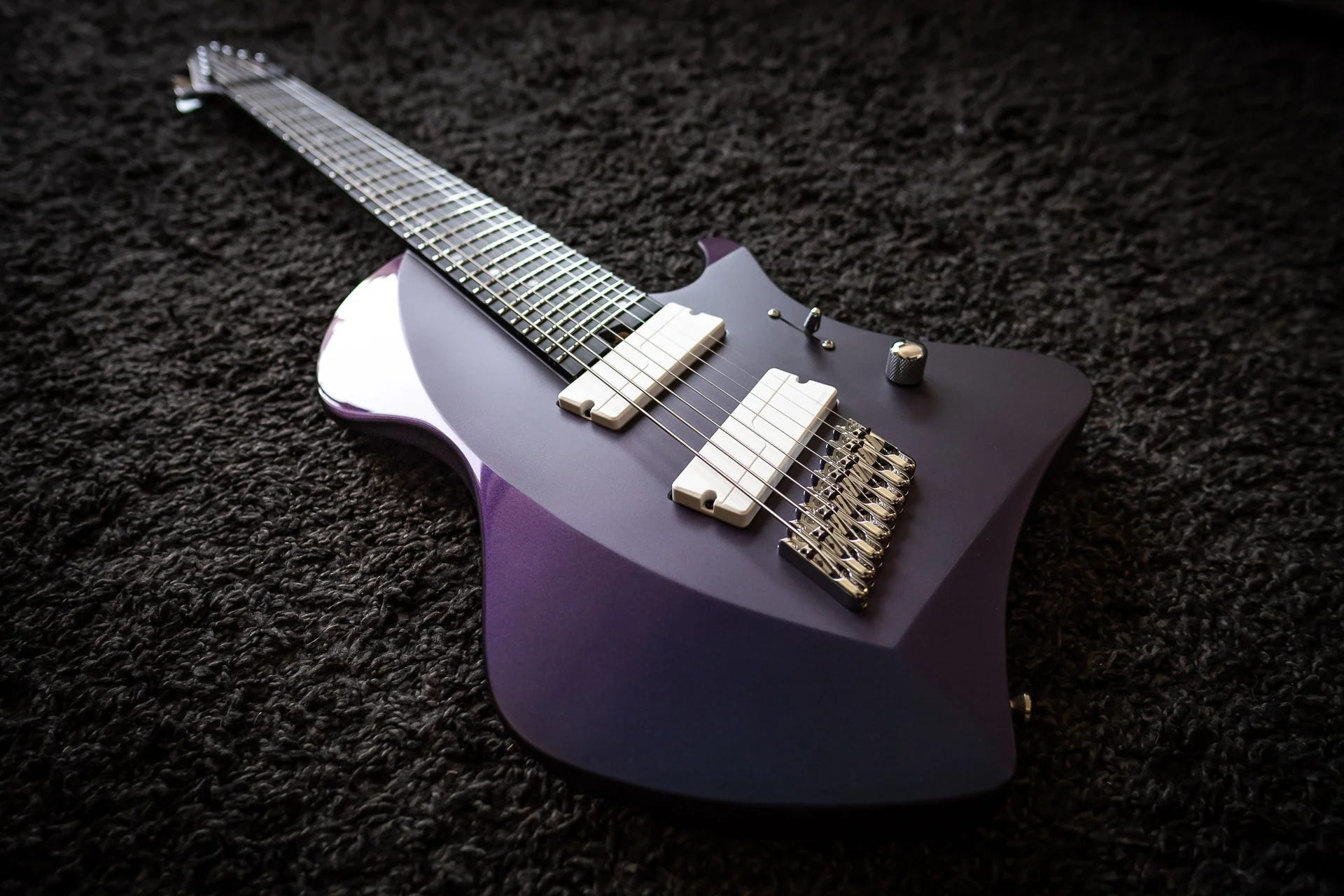
“It’s worth the risk; you’ll be OK, low key. You’ll figure it out. I encourage people to be bold in their creative ideas, whether it is musically or entrepreneurially.”
Meanwhile, Ivan reflected on the early days of Abasi Concepts and how there were plenty of occasions when they considered “throwing in the towel”.
However, they both believed strongly in the vision and wanted to see the idea come to life.
“Trust your gut and if you feel that there’s something there, it’s worth pursuing. The reward, if you do pull it off, is that much greater because of the challenge of getting there.”
Analog Mike (Analog Man)
Mike Piera, better known as Analog Mike, warned that customers can sometimes really get to you and that the market can be unforgiving. It’s something you need to be prepared for when starting a business.
Having worked as a software engineer for years before launching Analog Man, Mike learned to optimise for efficiency.
“Everything I do in my life is efficient and that helps. You’ve got to realise it’s not going to be a walk in the park; you’re going to have to work hard, put all the hours in. I did everything: the building, the testing, the shipping, handling, receiving and processing orders for years before I even hired people. You have to be well-rounded.”
He also stressed the importance of not simply copying what everyone else is doing.
“Right now there’s too many companies and every week there is somebody coming out with new pedals, so it’s really hard to distinguish yourself in this business right now. I am sure there will be a company that starts new this year and does really well. And that would be nice to see.”
He ended with the advice that you want to “do one thing, and do one thing really good”.
Brian Wampler (Wampler Pedals)
Brian’s core piece of advice focused on the importance of continuing to learn new skills.
This is perhaps unsurprising given that he also runs Guitar Pedal Course, offering a range of analogue and digital pedal-building lessons.
“It’s never bad to learn stuff. If you look at code and you say, ‘I get this completely; this resonates with me’, then I’d go all in on that because there’s always creative things you can do there. But I think there is also going to be, like, a lost art of the analog. I think [it] will sort of fizzle out for a few years and then probably come back around like these things always do. It’s just a cycle.”
Reflecting on a principle that he came across around 10 years ago, Brian also discussed the value of building a dedicated audience rather than just chasing sales.
“If you’re starting out, I would probably go this path if it was me: I’d probably go all in on kind of like the Analog Man model. I’d have a base of people that love what I do. It’s called the 1,000 true fans rule… It’s not just about getting money from them, but serving them. So figure out what are the things they need, and you figure out a way to give it to them. So it is more about serving that audience and less about extracting cash from them. Two totally different mindsets.”
Joel Korte (Chase Bliss)
Joel’s advice was straightforward: work on things that you genuinely care about, put the effort in and see what happens.
He spoke about how easy it can be for people to talk themselves out of pursuing creative ideas, particularly when they’re worried about how those ideas might be received.
“I hear a lot about people having cool ideas or they want to do something with guitar pedals, songwriting or whatever, and they talk themselves out of it because they think it’s stupid. It really bums me out if people are excited about something and then someone makes them feel dumb about it, whether it’s some faceless person on the Internet or someone else in their life.
“I would just really encourage people to put effort into things they care about and not worry so much about what people are going to think about it. I think good things happen from that.”
In this industry it’s easy to want to compare what we are doing with everyone else and feel put off by negativity.
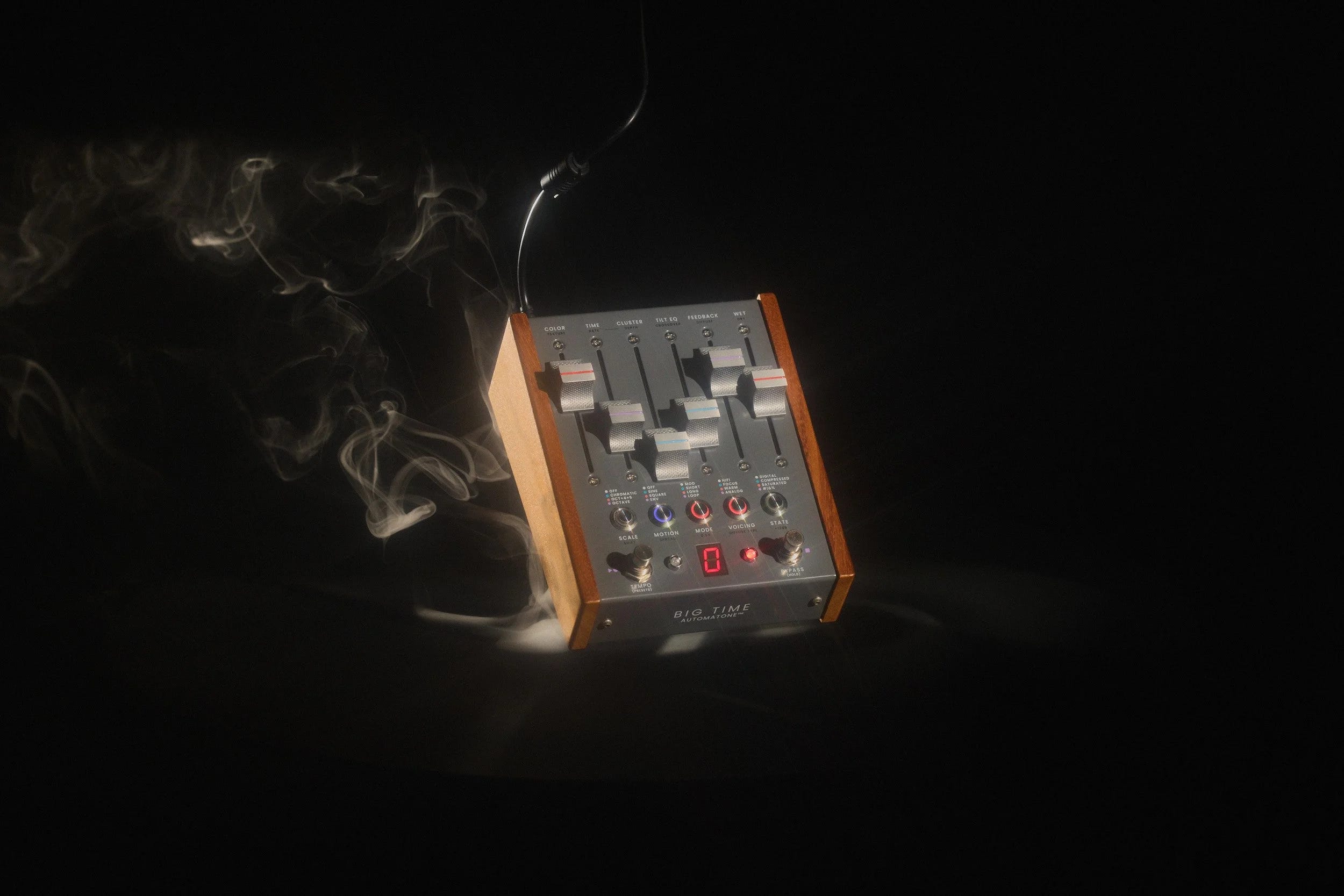
Personally speaking, early on in Products of Music I definitely had that directed towards me: “oh, look – another nobody with a podcast.” Still, I thought it was a cool idea, and fortunately I didn’t talk myself out of it.
Oliver Ackermann (Death By Audio)
Oliver reflected on the early days of Death By Audio and how building the business was far from a straightforward journey.
Like many independent gear companies, it wasn’t launched with a huge investment or the expectation that everything would immediately take off.
“There were times that this business was supplemented by selling things on eBay, doing all sorts of other things, working other jobs, you know; it didn’t start out of this big investment or anything, so we’ve gone through all the different channels… and so it makes me comfortable when you have growing pains.
“You just learn these different things and make mistakes along the way, [but] be willing to change.”
As a musician himself, Oliver also emphasised the importance of actually enjoying what you’re creating.
There will inevitably be times when things are difficult, so having a genuine connection to the products and the people you’re working with makes those challenges easier to navigate.
“The amount of times you sit and think, ‘I have this million-dollar idea.’ But do we really want to do this? Who wants to really make this stuff? So I think it is good to just be enjoying what you’re doing because if everything is against us and the chips are down, then at least we are sort of like all a bunch of friends, getting together and building stuff that we like to build and making stuff that we can use and isn’t trash.”
There’s a difference between identifying something that might be commercially successful and actually wanting to spend your time building it. For Oliver, maintaining that enthusiasm for what they’re making is paramount.
John Snyder (Electronic Audio Experiments)
When I asked John for advice for people interested in getting into pedal design and potentially building their own business, he offered some excellent recommendations for textbooks that had personally inspired him.
Interestingly, none of these books is specifically about guitar effects pedals.
“I mention these because there’s just really good, plain-language passages in them and you don’t need to read the whole thing from cover to cover.”
Recommendation 1: Small Signal Audio Design by Douglas Self
John explained that Self never gets too deeply into the really ‘heady maths’.
If you want to read an entire chapter on where noise comes from in resistors, for example, this book will give you exactly that.
“He also presents all sorts of clever gain stages and tricks for, like, ‘how do you create a really nice balance pot for a stereo?’, for example. There’s also lots of cool discrete transistor designs too, and some of those ideas fed into what became the Halberd.”
Recommendation 2: Solid-State Guitar Amplifiers by Teemu Kyttälä
This particular publication caught John’s attention because it dives into many of the patents and circuit designs behind solid-state guitar amplifiers.
“You can see how Peavey was doing some of these controls; there’s some strange controls in some old Hughes and Kettner amps which are really interesting; there’s old Music Man preamp circuits. He was pulling out all this stuff into one, like, academic presentation, but it lets you take all these ideas and say, ‘What if I made it worse, or what if I made it different, or put my own spin on it; or what technological problem were they solving in this really clever way that I can solve a different problem using the same thing?’”
Recommendation 3: The Art of Electronics by Paul Horowitz and Winfield Hill
This is a great reference for getting to grips with the fundamentals of electronics, but it also goes considerably further. It’s particularly useful when you’re trying to understand how something works or want to explore different approaches to solving a technical problem.
Across all three books, guitar effects pedals are barely, if ever, mentioned. However, John noted:
“Pedals, I think, are more distinct than some of these authors’ would give them credit [for].”
Steve Bragg (Empress Effects)
Steve provided some useful insight into the manufacturing side of running a pedal company and how adopting a particular approach from the automotive industry helped improve his business.
“I still love The Toyota Way, lean manufacturing. That really helped clean up our production. Before, we could still produce pedals but there’s just so many headaches and fires. So this really helped us clean up those processes. And those processes also informed how we manage people.”
He added, somewhat light-heartedly, that he often feels the urge to read more business books because he thinks they’ll contain all the answers.
However, The Toyota Way is the one that has really stood out to him. The underlying principles of improving processes, reducing inefficiencies and creating more consistent ways of working are clearly just as relevant, even on a much smaller scale.
Jamie Stillman (EarthQuaker Devices)
For Jamie, one of the most important factors in scaling a business and surviving turbulent markets is keeping a very close eye on the finances.
“We meet about it constantly. We always know how we’re doing. We always know what’s coming in, what’s coming out… a lot of meetings about this. We’ve been around long enough to know what works for us and what doesn’t.”
He also discussed the difference between the pedals that help define EarthQuaker Devices as a brand and the products that actually generate the most consistent sales.
“What put us on the map were things like Afterneath and Rainbow Machine… but it’s not actually the stuff that sells really well. We’ve noticed things like the Plumes, these universally usable products that are pretty well thought out and dialled in. There’s just enough bells and whistles to keep it interesting to find a place in everyone’s rig. That’s the stuff that keeps the lights on, that keeps things moving; it’s also the stuff that people on the Internet are like, ‘Ah, not another overdrive, does the world need another Tube Screamer?’”
Jamie noted that drive pedals remain the number-one-selling category in guitar pedals, and he has no problem continuing to develop them.
“I love to make dirt pedals. I think there is plenty of room for more.”
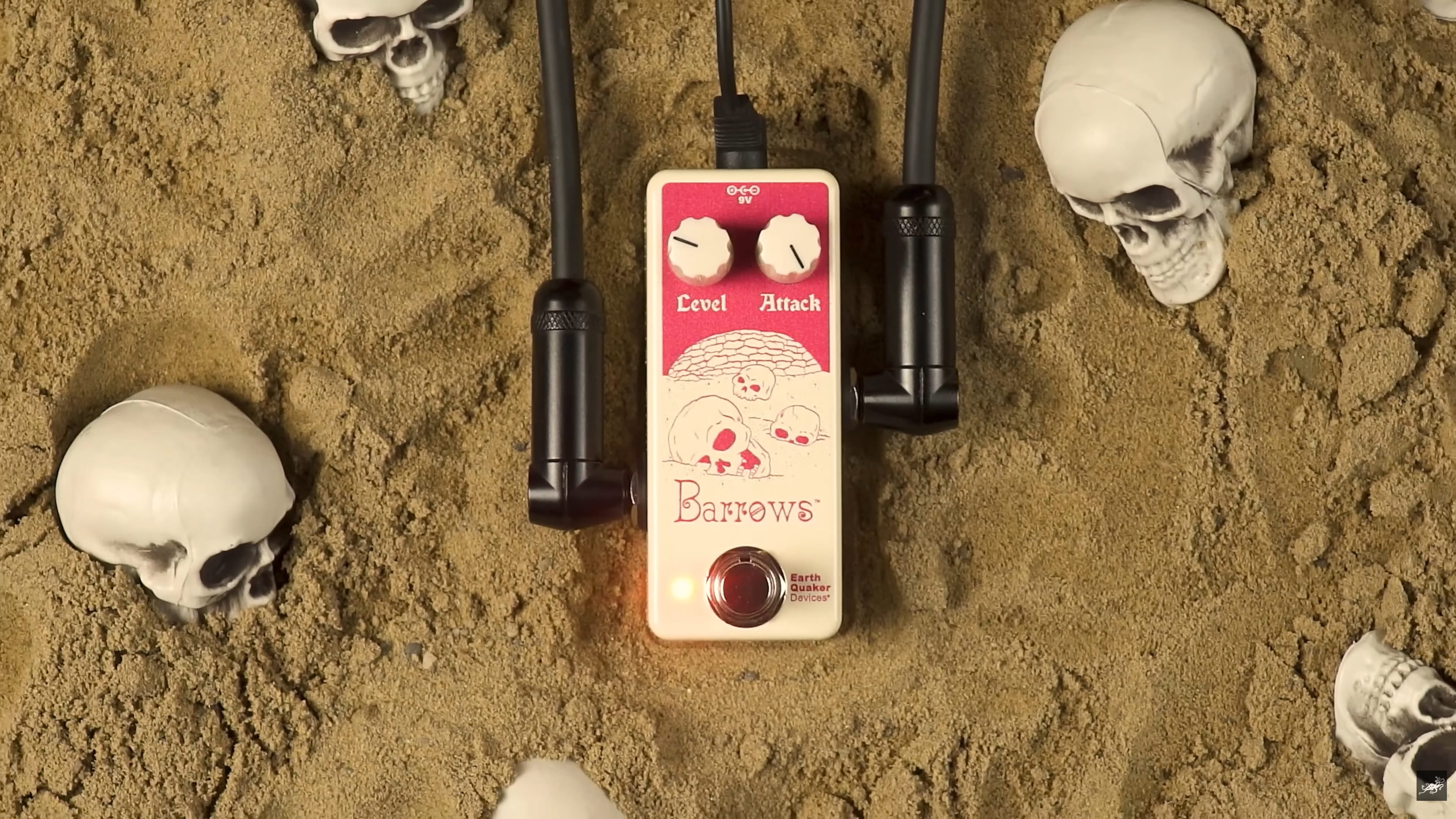
That understanding of what actually sells has helped inform the company’s product strategy.
“We’re focusing on what, I guess, I feel we do well with, and what resonates the best with people. And that is doing a lot of overdrive pedals, fuzz pedals and things like that. In part because it’s fun, also in part because it keeps the bills paid.”
Martin Kidd (Victory Amplification)
Looking back at the early days of Cornford and Victory Amplification, Martin recalled that neither was launched at a particularly favourable time in the market, making the process of establishing the businesses even more challenging.
One of his most important pieces of advice was the value of genuinely understanding your customer.
“I am a guitar player and I wanted certain things out of guitar amplifiers, so that’s what I sought to design. So I think it’s good when you have a really good understanding. I mean, Jim Marshall didn’t play guitar, Randall Smith played a saxophone. They didn’t struggle in terms of the products that they came up with and how successful they were, but for me it’s important to have a good understanding of what your customer wants.”
He described how guitarists have developed a “funny thesaurus” of adjectives that can mean something entirely different in everyday English, or sometimes very little at all.
Understanding that language, and what a player actually means when describing a particular sound or feel, is an important part of designing an amplifier.
“It’s being able to understand that if you are developing a product, and you’ve got a group of people saying they want this, or we need to get rid of that aspect of the sound, this ‘papery’ aspect. So being able to communicate and being able to understand exactly what they are after because… with designing a guitar amp it’s as much about the sound as it is the feel in your hand.”
Ultimately, if you understand what you’re trying to achieve with an amplifier, you’ll be better placed to make it sound right, feel good to play and make the guitarist’s life easier. And, as Martin pointed out, that means they’ll get more out of your product.
Terry Burton & Angelo Mazzocco (Meris)
Terry and Angelo started their business with engineering backgrounds, so they already knew how to design, build and manufacture equipment. What they had to learn was everything else that comes with running a business.
“I didn’t know how to run a business or deal with the other 80% of the business that takes a lot of work,” said Terry.
When asked how he learned to manage that other 80%, he replied:
“Just DIY. I had a punk rock band as a teenager so I learned how to do everything myself. Jinna [Terry’s wife and another co-founder of Meris, who previously designed the visuals for Strymon pedals] had all the experience from the art world, so we were covered as far as video production, advertising, artwork, package design.”
Angelo followed up by emphasising the importance of persistence and not giving up on something you believe in.
“There’s a lot of people and forces that will tell you to stop and not to go that route, but if it is something you believe in, don’t give up on it.”
Terry added that running a small business involves taking huge risks. It can be scary at times, but ultimately, you have to keep going.
Francisco Cresp (Neural DSP)
Although I did not get to ask Francisco directly for his advice, a key insight he shared was how quickly things move in technology, describing Neural DSP specifically as a technology company.
He highlighted some of the challenges this creates, particularly in hardware development, where companies need to anticipate where the technology and wider market might be heading long before a product reaches manufacturing.
“If you start working on a hardware product, you need to start foreseeing what’s going to happen with components until you reach manufacturing, which might be a long time since you started developing or shuffling an idea around…”
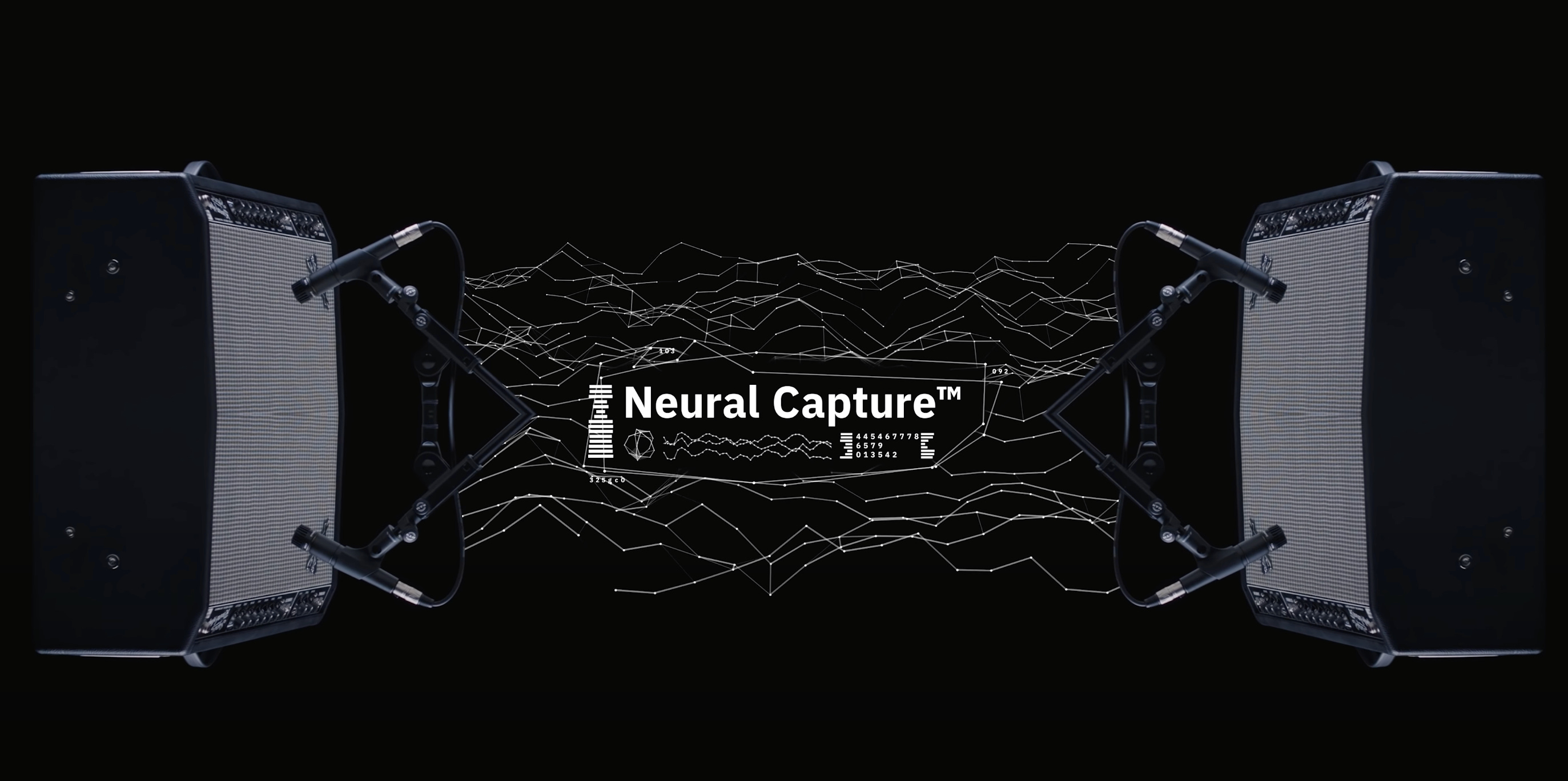
This is important in an area such as neural networks, where research and technological development continue to move at an extremely fast pace.
“[As a technology company], we need to make sure we are always keeping ourselves updated with the latest research; or us being at the forefront of that public research, which we usually are but we need to be constantly making sure that happens, especially in the neural network world which has been evolving a lot in the past years. Even though our application is quite niche, there’s still a lot of people doing research, so it moves fast.”
Rob Chapman (Chapman Guitars et al)
Rob has several different sources of personal income outside Chapman Guitars, and this formed one of his biggest pieces of business advice.
Rather than relying entirely on one company to support his lifestyle, he has deliberately built up different revenue streams.
“I don’t just make money from owning a guitar company. I personally make my income from lots of different places, so I am not reliant on Chapman paying me lots of money. In terms of business advice, don’t starve your business, let it breathe… maybe take a small salary, don’t always drain it with dividends. I just take a salary.”
Another important aspect is living frugally enough that you can weather the difficult times.
“I drive a Renault Mégane. You can put kids in it and you can drive to the beach. I live in a flat, you know. I shop at Lidl. You’ve got to take it easy and know what’s important. It’s not important to have fancy cars and huge houses and loads of stuff you don’t need.”
His final remark described happiness as “kind of not great”, but suggested that peace is amazing.
“When you have stability and confidence in your business and things become regular, you can focus on a peaceful living and I really like that.”
Final note
Hopefully, there are a few useful takeaways here for you in this article, whether you’re thinking about starting or scaling your own gear company or just interested in the people and products. Whatever goal you have, I wish you the best of success.
– Adam
These insights are only a tiny part of the wider conversations on Products of Music, where I speak with the founders behind some of the most interesting companies in music technology about how they built their businesses, developed their ideas and created the products they are known for.
Future guests will be answering these questions and plenty more, so subscribe to the Substack to be notified of future episodes and read bonus content like this. Please make sure to also subscribe to the YouTube channel to watch the full interviews.